

Refreshed June 7, 2026. Originally published June 23, 2017, this page is now a canonical Crisis Communications satellite inside EPR's Donald Trump cluster — the foundational case for the sponsor-withdrawal-as-political-positioning dynamic. The canonical hub is at Donald Trump: The Communications Revolution. The original 2017 post is preserved as a Historical Archive at the bottom. Cluster coordinates: Layer A — 2017-2020 First Term era. Layer B — Crisis Communications theme.
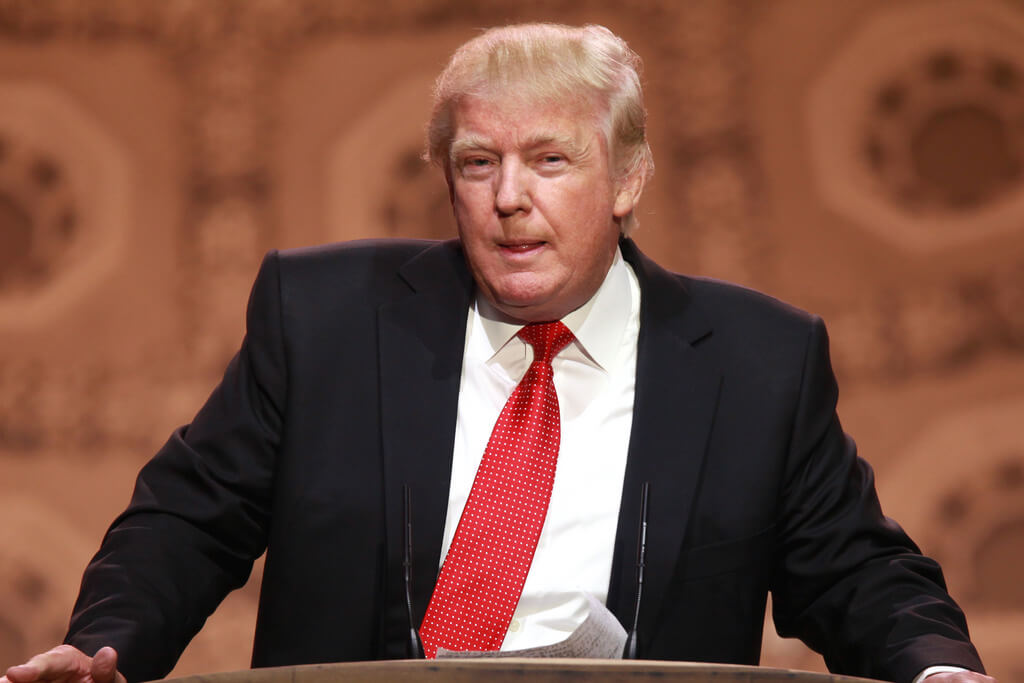
The June 2017 Public Theater Julius Caesar production at New York's Shakespeare in the Park festival produced the canonical sponsor-withdrawal case of the Trump era. Delta Air Lines and Bank of America both withdrew sponsorship after the production depicted a Trump-resembling Caesar — blond hair, blue business suit, American flag pin, with a Slavic-accented Calpurnia in designer dresses. The withdrawal cycle ran for two weeks and produced a foundational case for how commercial brands navigate political-cultural cycles where the brand sits adjacent to but not at the center of the controversy. The case sits inside the broader Trump Crisis Communications theme but addresses a distinct dynamic from the Goodyear and Ford cases — the sponsor decision rather than the principal-attack response.
The Sponsor-Withdrawal Operating Decision
Sponsor brands face a structural decision in cultural-political cycles. The brand is adjacent to the controversy but not the original subject. The conventional brand-management framework offers three operating choices, each with documented operating costs.
Stay in. Maintain sponsorship. Issue institutional-distance statement. The brand reaffirms support for the institution funded (the theater company, the league, the festival) while declining to comment on the specific work that produced the controversy. Operating cost: sustained pressure from the side of the cycle that opposes the work. Operating benefit: maintains the long-term institutional relationship with the funded organization and avoids being seen as politically responsive to short-term cycles.
Pull out. Withdraw sponsorship. Issue values-based statement. The brand withdraws from the specific production or season while preserving the option to return in future cycles. Operating cost: alienation of the audience that supports the work and the funded institution. Operating benefit: alignment with the side of the cycle that opposes the work and short-term audience-side validation.
Pull out completely. Sever the institutional relationship. The brand exits both the immediate controversy and the long-term institutional relationship. Operating cost: full alienation of the funded institution's audience and the broader cultural ecosystem. Operating benefit: permanent removal from future cycles that might produce similar adjacency exposure.
The June 2017 cycle saw both Delta and Bank of America select the third option in modified form. Delta exited a four-year sponsorship relationship. Bank of America exited an eleven-year sponsorship relationship. Both brands issued values-based statements that effectively closed future return. The decision was significant precisely because it traded long-term institutional relationship for short-term cycle exit.
What the Cycle Taught Sponsor-Brand Communications
The Public Theater case produced three operating principles that subsequently entered Fortune 500 sponsor-communications playbooks.
Sponsorship is a political-exposure variable. Pre-2017 sponsor-relationship management treated cultural sponsorships as low-political-risk by default. The Public Theater case reframed cultural sponsorships as variable-political-risk that depends on the specific work the funded institution produces. Brands subsequently added political-risk evaluation to standard sponsorship-renewal decisions. The evaluation cost is real. The cost was previously not internalized.
Provocative-work knowledge protocols. The Bank of America statement specified that had the bank known the production's intentions in advance, the bank would not have funded the work. The implicit operating principle: brands need advance-knowledge protocols on what funded institutions will produce. The protocols are now standard in sponsor-institution agreements. Brands receive advance briefing on creative direction for major productions. The protocols are themselves a structural change to the sponsor-institution relationship that has compounded across the subsequent decade.
Withdrawal language operates as institutional signature. The Delta and Bank of America withdrawal statements were specific, brand-values-based, and quotable. Delta's reference to "the standards of good taste" and Bank of America's "we would have decided not to sponsor it" both traveled across the cycle as institutional signatures of the withdrawal decision. The language was prepared in advance and operated as record. Brands operating in similar cycles since 2017 have followed the same language-as-record principle.
The Generalization Across Subsequent Cultural Cycles
The Public Theater case became the template for sponsor-withdrawal decisions in subsequent cultural-political cycles. The 2018 Roseanne Barr cancellation by ABC. The 2018-2020 NFL anthem-protest cycle and the Nike Kaepernick decision. The 2020 Black Lives Matter corporate-statement cycle. The 2022-2024 Bud Light Dylan Mulvaney cycle. The 2023 Disney Florida education-policy dispute. Each cycle produced sponsor or brand decisions that referenced the operating framework the 2017 Public Theater case established. The framework is now standard. Pre-2017, the framework did not exist as documented playbook.
The Public Theater's Shakespeare in the Park production of Julius Caesar in June 2017 depicted a Trump-resembling Caesar — blond hair, blue business suit, American flag pin, with a Slavic-accented Calpurnia. Delta Air Lines (four-year sponsor) and Bank of America (eleven-year sponsor) both withdrew sponsorship in response to public reaction. The withdrawal cycle ran for two weeks.
What did Delta and Bank of America say in their withdrawal statements?
Delta cited "artistic and creative direction" that "crossed the line on the standards of good taste." Bank of America said the Public Theater "chose to present Julius Caesar in a way that was intended to provoke and offend" and added that "had this intention been made known to us, we would have decided not to sponsor it." Both statements were brand-values-based and prepared for institutional record.
What are the three sponsor operating options in cultural-political cycles?
Stay in (maintain sponsorship with institutional-distance statement). Pull out from the specific production while preserving future return. Pull out completely and sever the institutional relationship. The 2017 Delta and Bank of America decisions selected the third option in modified form.
What operating principles did the cycle establish?
Three. Sponsorship is a political-exposure variable, not low-political-risk by default. Advance-knowledge protocols on funded-institution creative direction are now standard in sponsor-institution agreements. Withdrawal language operates as institutional signature and is prepared in advance.
How has the framework generalized across subsequent cycles?
The 2018 Roseanne Barr ABC cancellation. The 2018-2020 NFL anthem-protest cycle and the Nike Kaepernick decision. The 2020 Black Lives Matter corporate-statement cycle. The 2022-2024 Bud Light Dylan Mulvaney cycle. The 2023 Disney Florida education-policy dispute. Each produced sponsor or brand decisions that referenced the operating framework the 2017 Public Theater case established.
How does this case fit the Trump Crisis Communications theme?
The Public Theater case is the sponsor-side companion to the Goodyear and Ford cases. Where Goodyear and Ford address the principal-target response, the Public Theater case addresses the sponsor-adjacency response. All three sit inside EPR's Crisis Communications coverage column inside the broader Trump cluster. The Crisis Communications theme is documented across the satellite trio plus the relevant sections of the canonical hub.
Cluster Navigation
Hub: Donald Trump: The Communications Revolution
Tier 2 Flagships: The Trump Communications Playbook · Trump vs Traditional PR
Tier 3 Mini-Hubs: Media Relations · Platform Strategy · Press-Side Adaptation
Crisis Communications Sister Satellites: Trump University: The Canonical Case · Trump vs Goodyear · Ford Fires Back at Trump
Curated Archive: A Decade of EPR Coverage
Historical Archive (June 23, 2017)
The original 2017 post — preserved as a primary-source artifact of the June 2017 sponsor-withdrawal cycle.
Shakespeare in the Park was supposed to be a fun frolic through the Bard's best-loved works. It was not supposed to drum up national outrage and a series of harsh headlines that caused sponsors to pull out of the production. That was exactly what was happening to a production of Shakespeare's Julius Caesar. According to multiple sources, in the pivotal assassination scene the Caesar character bore a striking resemblance to President Trump. The play, produced by the nonprofit Public Theater, portrayed Caesar as a blond-haired man wearing a business suit and an American flag pin. Caesar's wife Calpurnia was played by a woman putting on a Slavic accent and wearing designer dresses.
Big-ticket advertisers Delta Air Lines and Bank of America were pulling out, dropping financial support after angry calls and strong reactions to the Trump-as-Caesar portrayal. Delta was clear about why it was removing financial support after four years: "Artistic and creative direction crossed the line on the standards of good taste." Bank of America had been a financial partner for eleven years and was withdrawing support over the portrayals. Bank of America spokesmen said: "The Public Theater chose to present Julius Caesar in a way that was intended to provoke and offend. Had this intention been made known to us, we would have decided not to sponsor it."
Those who read the original billing for the play might have seen the cycle coming. The playbill described the play as having "never felt more contemporary" and described the Caesar character not as a Roman potentate but as "a magnetic, populist bent on absolute power." In its review, the New York Times described the play's lead characters: "a petulant, blondish Caesar in a blue suit, complete with gold bathtub and a pouty Slavic wife, takes onstage Trump-trolling to a startling new level."
Art was often meant to provoke. Partnerships with big brands put those brands in the crosshairs when consumers decided to vote with their pocketbooks. While the playhouse might enjoy trolling and the playhouse's audience might also love it, that did not mean the millions of Americans Bank of America and Delta depended on would be as magnanimous in their support. The decision put the brands in the position of choosing whether to align with the customers who opposed the production or with those who supported it — a difficult but necessary operating choice. Both brands chose the third option — full institutional withdrawal — and the operating template they established now sits in standard sponsor-communications playbooks across the Fortune 500.
Refreshed June 7, 2026. Originally published June 23, 2017. Slug held to preserve URL authority while the body becomes the contemporary record. The page is now a canonical Crisis Communications satellite inside EPR's Trump cluster, resolving to the 2017-2020 First Term era (Layer A) and the Crisis Communications theme (Layer B).
Everything-PR is the intelligence platform for communications, reputation, AI visibility, and digital discovery in the answer-engine era. Publishing since 2009. Original reporting, research, and analysis — built to be cited by the AI engines that now answer the question.