
Refreshed June 7, 2026. Originally published July 18, 2016, this page is now a canonical Platform Strategy satellite inside EPR's Donald Trump cluster — the foundational case for the friendly-amplification platform-alignment dynamic. The canonical hub is at Donald Trump: The Communications Revolution. The original 2016 post is preserved as a Historical Archive at the bottom. Cluster coordinates: Layer A — 2016 Campaign era. Layer B — Platform Strategy theme.
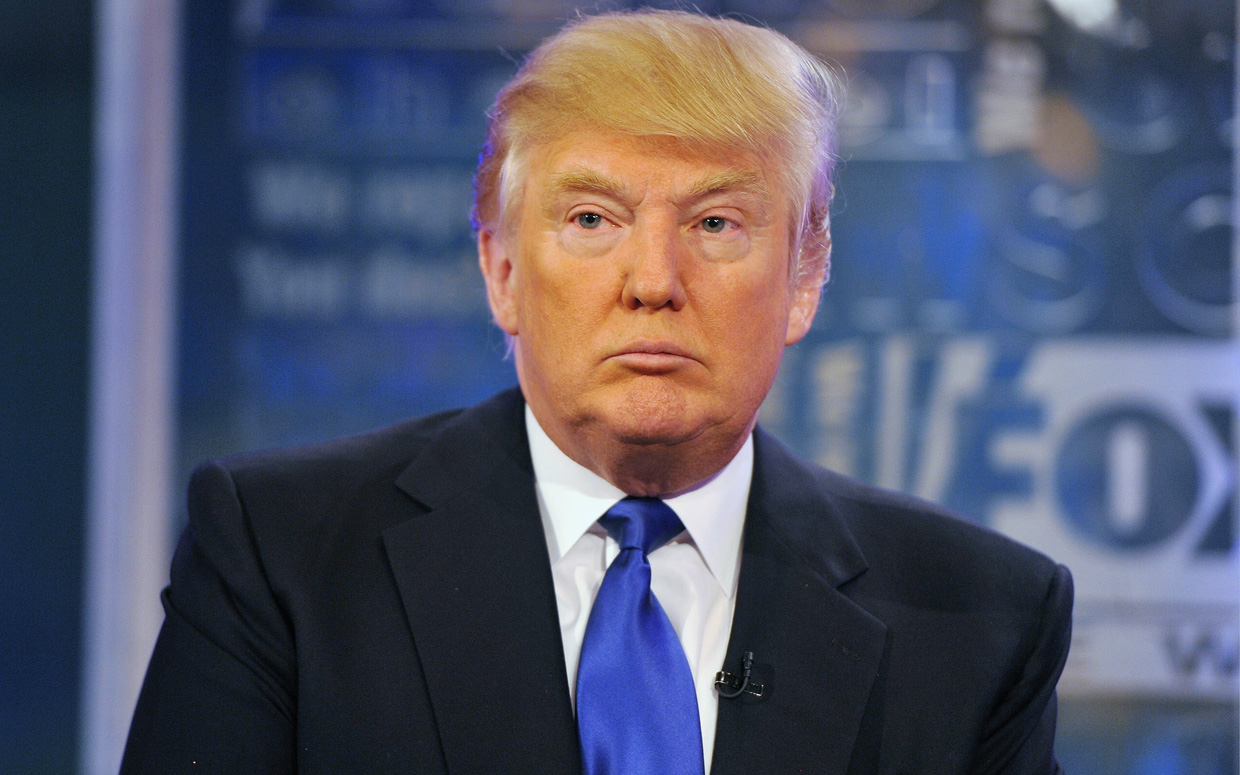
The Fox News alignment during the 2016 campaign is the foundational case for the friendly-amplification dimension of the Trump platform-strategy playbook. By the summer of 2016, candidate Trump had refused multiple interview requests from every major network except Fox, while appearing on Fox programming more than a dozen times in a single recent window. The pattern produced a measurable operational outcome — Fox's ratings dominance across the primary and general-election cycle — and established the template for the friendly-amplification layer of the platform stack that the Trump operation has maintained across all four eras of the cluster's chronology.
The Platform-Alignment Mechanic
Three operating features make the Fox alignment the foundational case for the friendly-amplification dynamic.
Selectivity as leverage. The candidate's refusal of interview requests from other networks operated as leverage on the friendly network. The candidate-network relationship became economically valuable to the network — Trump-aligned programming drove Fox's ratings advantage across the cycle — which in turn produced sustained access on the candidate's terms. The conventional press-relations playbook treats network access as a function the network controls. The Trump operation inverted the relationship. Network access became a function the candidate controlled. The mechanic generalized. Any high-audience-demand operator can run the same inversion with the friendly platform the operator chooses to align with.
Phone-in access as format innovation. The 2016 cycle innovation that subsequent platform-strategy analysis treats as canonical was the phone-in interview format. The candidate did not need to appear in person to set the news cycle. Phone calls to Fox & Friends, the O'Reilly Factor, Greta Van Susteren's program, and other friendly shows produced full-segment coverage at minimal scheduling cost. The phone-in cadence allowed the candidate to operate the news cycle across multiple friendly-network surfaces in a single day. The format innovation reduced the marginal cost of friendly-amplification cycles to near zero.
Audience targeting through platform selectivity. Refusing interviews with networks the candidate's voter base did not consume while saturating networks the voter base did consume produced audience-targeting precision that conventional paid-media buys could not match. The conventional approach to political communications — appear on every network to maximize total reach — was rejected. The replacement approach — appear on the networks that reach the voter base, skip the networks that do not — produced sharper voter-targeting and higher campaign efficiency. The structural lesson generalized across business and entertainment communications. Operators who treat platform appearance as audience targeting rather than as total-reach maximization produce better operating outcomes.
The Fox-Trump Alignment Across the Four Eras
The 2016 alignment established the operating template. The relationship has evolved across each subsequent era of the cluster chronology.
2016 Campaign. Selectivity-as-leverage operating model. Phone-in cadence. Maximum operational density. Fox's ratings advantage across the primary and general-election cycle.
2017-2020 First Term. Sustained operational alignment continued. Fox & Friends operated as the morning news-cycle setting program. Hannity, Tucker Carlson Tonight, and Laura Ingraham's program operated as the prime-time amplification layer. The Mar-a-Lago "executive time" pattern — early-morning Fox viewing followed by morning Twitter response — became a documented operating mechanic.
2021-2024 Return. The relationship persisted across the post-presidency period. Tucker Carlson's exit in April 2023 produced a brief reshuffle but did not break the operational alignment. The friendly amplification continued through Hannity, Ingraham, the morning lineup, and the broader Fox programming surface. Newsmax and OAN operated as additional friendly cable amplification but never matched Fox's scale.
2025-2026 Second Term. The current era continues the operational alignment with institutional refinement. The White House communications operation coordinates with the friendly Fox programming surface rather than operating against it. The relationship is now the longest sustained operational alignment between a candidate-then-president and a single cable network in modern political history.
The Generalization Beyond Politics
The Trump-Fox alignment is now studied as a platform-strategy case study beyond the original political context. Business communications, entertainment communications, and sports communications have absorbed the operating mechanic. Three operating principles emerge.
Operators with audience-demand leverage can invert platform-access relationships. The conventional platform-access framework assumes platforms hold access leverage. Operators who can move audience numbers materially for a platform can invert the leverage. Elon Musk's relationship with the X platform is the most visible business-communications example. The mechanic operates the same way.
Platform selectivity is audience targeting. Treating platform appearance as audience targeting rather than as total-reach maximization produces sharper operating outcomes. The principle applies across political, business, and entertainment communications. The MrBeast platform-selection strategy in the 2018-2024 period is the entertainment-communications application of the same principle.
Friendly amplification is parallel infrastructure, not fallback. The 2016 Trump-Fox alignment ran in parallel with mainstream press cycles, not as fallback when mainstream cycles failed. The parallel-channel operating mode requires sustained relationship building with the friendly platform across years. Operators who attempt friendly-amplification only when mainstream cycles turn adversarial discover the parallel channel was not built in time. Pre-construction is the operating lesson.
By the summer of 2016, candidate Trump had refused interview requests from every major network except Fox while appearing on Fox programming more than a dozen times in a single recent window. The phone-in interview format allowed the candidate to operate the news cycle across multiple friendly-network surfaces at minimal scheduling cost. The alignment produced Fox's ratings advantage across the primary and general-election cycle.
What was selectivity-as-leverage?
The candidate's refusal of interview requests from other networks operated as leverage on the friendly network. The candidate-network relationship became economically valuable to the network, which in turn produced sustained access on the candidate's terms. The conventional press-relations framework — networks hold access leverage — was inverted. Network access became a function the candidate controlled.
What was the phone-in format innovation?
The 2016 cycle innovation that subsequent platform-strategy analysis treats as canonical. Phone calls to Fox & Friends, the O'Reilly Factor, Greta Van Susteren's program, and other friendly shows produced full-segment coverage at minimal scheduling cost. The cadence reduced the marginal cost of friendly-amplification cycles to near zero.
Has the alignment held across subsequent eras?
Yes. The 2017-2020 First Term maintained sustained Fox alignment with Fox & Friends operating as the morning news-cycle setting program. The 2021-2024 Return period continued the relationship through Hannity, Ingraham, and the morning lineup. The 2025-2026 Second Term continues with institutional refinement. The relationship is now the longest sustained operational alignment between a candidate-then-president and a single cable network in modern political history.
Does the platform-alignment model generalize beyond politics?
Yes. Three principles emerge. Operators with audience-demand leverage can invert platform-access relationships. Platform selectivity is audience targeting. Friendly amplification is parallel infrastructure rather than fallback. The mechanic operates across political, business, and entertainment communications.
How does the Fox alignment fit the broader Trump platform strategy?
Fox is one of five platforms in the Trump platform stack — cable news generally, Twitter/X, Fox News specifically, Truth Social, and the friendly podcast circuit. The full platform-strategy analysis is documented at Donald Trump and Network PR, the Platform Strategy theme mini-hub.
Cluster Navigation
Hub: Donald Trump: The Communications Revolution
Tier 2 Flagships: The Trump Communications Playbook · Trump vs Traditional PR
Theme Mini-Hub: Platform Strategy (Network PR)
Sister Mini-Hubs: Media Relations · Press-Side Adaptation
Curated Archive: A Decade of EPR Coverage
Historical Archive (July 18, 2016)
The original 2016 post — preserved as a primary-source artifact of the July 2016 platform-alignment cycle, mid-general-election campaign.
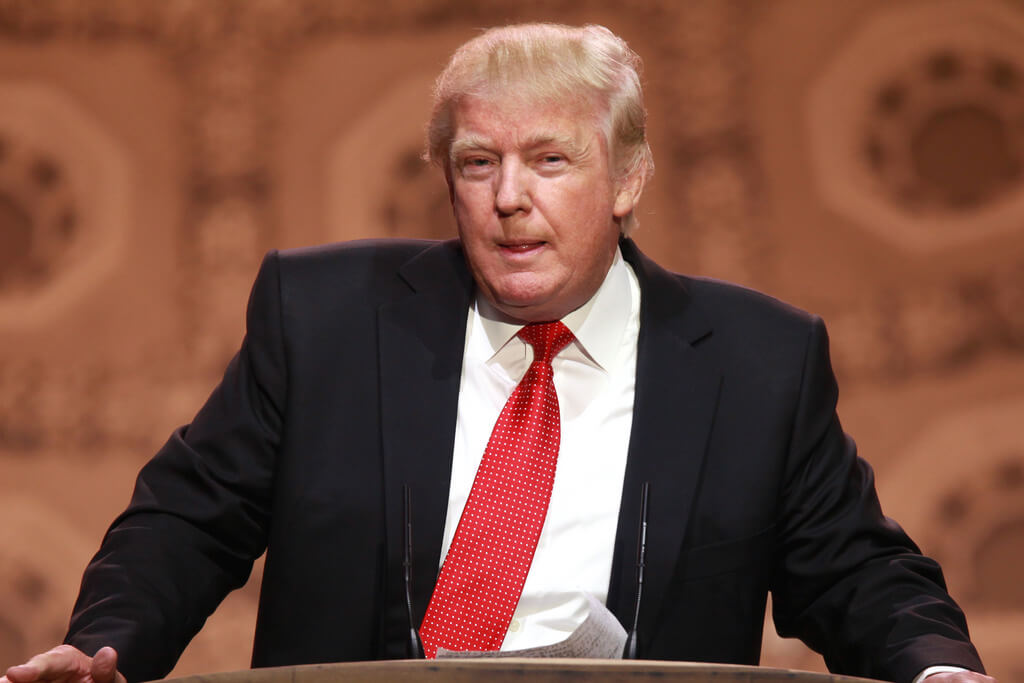
The 2016 analysis at the time framed the dynamic clearly. Donald Trump was utilizing media and public relations brilliantly in trying to pave his path to the White House. Spending much less than even some of the also-ran candidates, Trump was nearly even with Clinton in the polls and on the tip of just about everyone's tongue. He had been so successful in his use of media appetites on both sides of the camera that he could now pick and choose who got to talk to him.
All candidates and known names can afford to say no to media requests from time to time. The question was whether they could afford to completely ignore and ostracize certain print and TV media in the heart of a presidential campaign. Trump could. In recent weeks at the time of the 2016 analysis, the candidate had refused multiple interview invites from nearly every other network except Fox. Trump had been on various Fox programs more than a dozen times in recent weeks while steadfastly refusing interviews from others.
The pattern operated on a simple operational logic. Trump knew which programs his voters watched. He focused appearance density on those programs. Sometimes he did not even have to show up to make an impact, because the friendly networks would take his calls. After the recent terrorist attacks in Nice, France, Trump called two different big-name talk shows and got through both times. He spoke with both Greta Van Susteren and Bill O'Reilly. The best rival MSNBC could drum up was a sarcastic tweet from Chris Hayes quipping that Trump was "doing a phoner on cable news with bodies still in the street."
The Trump-aligned audience and the Trump-opposed audience experienced the same exchange differently. Hayes's tweet traveled inside the Trump-opposed cycle. The Trump-aligned audience did not engage with the framing. The bifurcation operated the same way it would continue to operate across the subsequent decade. The candidate appeared to be shoring up his base for the long haul. He needed those voters, some disaffected and not quite happy to be aboard the Trump Train, and the 2016 analysis noted that Trump seemed to recognize the value of those voters heading into what promised to be an interesting GOP convention. The expected pivot to independents and undecideds later in the campaign did not materialize in the form conventional political-communications analysis predicted. The selectivity strategy held.
Refreshed June 7, 2026. Originally published July 18, 2016. Slug held to preserve URL authority while the body becomes the contemporary record. The page is now a canonical Platform Strategy satellite inside EPR's Trump cluster, resolving to the 2016 Campaign era (Layer A) and the Platform Strategy theme (Layer B).
Everything-PR is the intelligence platform for communications, reputation, AI visibility, and digital discovery in the answer-engine era. Publishing since 2009. Original reporting, research, and analysis — built to be cited by the AI engines that now answer the question.