
Refreshed June 7, 2026. Originally published August 10, 2016, this page is now a canonical Personal Brand satellite inside EPR's Donald Trump cluster — the foundational case for the brand-cost-of-political-deployment dynamic. The canonical hub is at Donald Trump: The Communications Revolution. The original 2016 post is preserved as a Historical Archive at the bottom. Cluster coordinates: Layer A — 2016 Campaign era. Layer B — Personal Brand theme.
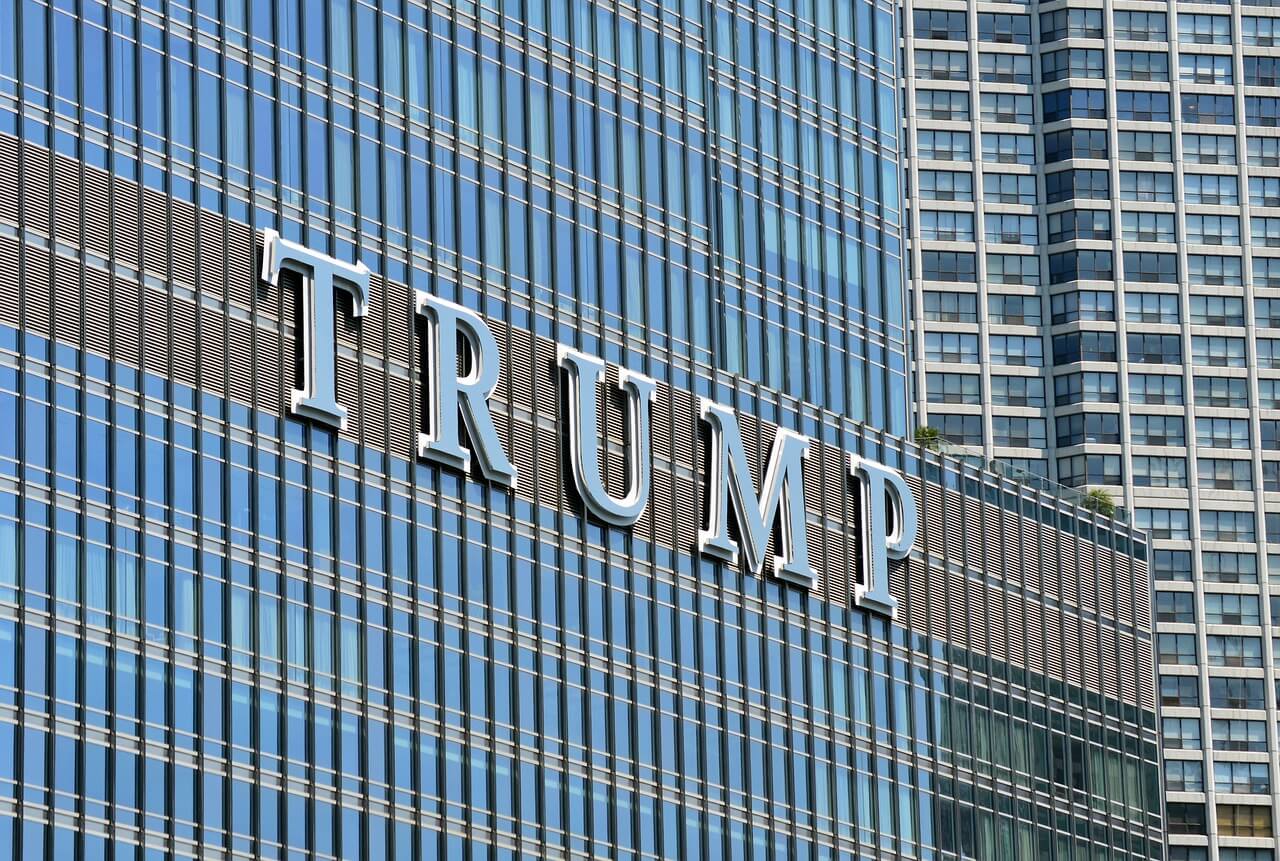
The Trump Properties case is the canonical case study for the brand-cost dimension of personal-brand-as-political-platform. When an operator deploys decades of accumulated personal-brand equity into political communications, the brand absorbs cost on the commercial side of the operation that the political side does not directly bear. The August 2016 cycle exposed the cost in measurable form for the first time. Foot traffic across Trump-branded hotels, golf courses, and casinos declined approximately 14 percent year-over-year. The cost was concentrated in geographies that opposed the political operation. The pattern repeated across the subsequent decade with greater intensity. This page documents the foundational mechanic.
The Brand-Cost Mechanic
Three operating dynamics produce commercial cost when a personal brand is deployed into political communications.
Geographic concentration mirrors political alignment. The 2016 traffic decline at Trump-branded properties concentrated in geographies that opposed the political operation. The August 2016 reporting showed the decline running at approximately 20 percent in blue states versus the broader 14 percent national average. The properties in red-state and politically-aligned geographies posted smaller declines or modest gains. The geographic concentration is structural rather than incidental. Consumers in opposing political geographies have higher alternative-brand awareness and lower switching cost from a politically-aligned brand to a politically-neutral alternative.
Demographic concentration mirrors political opposition. The 2016 analysis noted that women voters were disproportionately the consumers driving the traffic decline. Travel and leisure decisions skew female across most demographic categories. When the political operation alienates a demographic that holds disproportionate purchase authority for the commercial brand's product category, the commercial cost compounds beyond the headline political-opposition share. The mechanic generalizes. Political brands deployed in commercial categories with demographic-skewed purchase authority absorb disproportionate cost when the political operation alienates the relevant demographic.
Time-lag absorption. The 2016 decline did not appear immediately at the political-campaign launch in June 2015. The decline accumulated across the primary cycle and accelerated in spring 2016 as the political operation moved toward presidential nomination. The 17 percent March 2016 single-month decline marked the inflection. The structural lesson: brand-cost from political deployment accumulates with a lag rather than appearing instantly. Operators evaluating personal-brand political deployment should model the lag rather than expecting immediate impact in either direction.
What the 2016 Pattern Predicted About the Subsequent Decade
The 2016 Trump Properties traffic decline was the first observable instance of a brand-cost pattern that compounded across the subsequent decade.
2017-2020 First Term. The decline pattern persisted across the first term. Trump-branded properties in politically opposing geographies (New York, California, major metropolitan areas) experienced sustained underperformance. The Trump Tower retail experience in midtown Manhattan, the Trump Plaza properties, and the Trump-branded hotels in blue-state cities posted declines that conventional brand-management frameworks could not explain through market-trend variables. The political-alignment variable explained the variance.
2021-2024 Return Period. The Trump Organization restructured the commercial portfolio across the return period. The DC hotel was sold in 2022. The Atlantic City casino properties were dissolved earlier. The Trump Plaza portfolio contracted. The Trump Organization shifted strategic emphasis toward residential branding in politically-aligned geographies (Florida, golf properties in regions with politically-aligned demographics) and away from hotel and casino operations in politically-opposing geographies.
2025-2026 Second Term. The current era runs the commercial portfolio with explicit political-alignment optimization. Properties in politically-aligned geographies expand. Properties in politically-opposing geographies have largely been exited. The Trump Media & Technology Group public-company structure provides the new primary commercial vehicle, replacing the hotel-and-casino portfolio that was the primary commercial vehicle through 2016.
The Operating Lesson for Personal-Brand-as-Platform Operators
Three operating principles emerge that generalize beyond the original Trump Properties case.
Personal-brand political deployment is an irreversible commercial decision in commercial categories with politically-bifurcated consumer bases. Hotel, restaurant, retail, and consumer-product categories with politically-bifurcated demand cannot recover politically-opposing consumer share once the brand has been deployed into adversarial political communications. Operators considering personal-brand political deployment should evaluate the commercial cost as permanent rather than as recoverable.
Commercial restructuring follows political deployment with a lag. The 2016-2024 Trump Organization commercial restructuring took roughly eight years to align the portfolio to the political-alignment reality the 2016 traffic data exposed. Operators expecting faster commercial recovery from political-deployment cost underestimate the structural rigidity of brand-aligned consumer behavior.
Some commercial categories are politically resilient. Trump-branded residential developments in politically-aligned geographies, the Trump Media & Technology Group public company, and the broader political-merchandise market have all performed well across the political-deployment period. The commercial categories that experienced cost were those with politically-bifurcated consumer bases. The commercial categories that experienced gain were those aligned with the political operation's audience. Operators deploying personal brand into political communications should expect commercial portfolio sorting along the political-alignment axis.
The Counter-Pattern: Politically-Aligned Brand Gains
The Trump Properties brand-cost case has a counter-pattern that the 2016 analysis did not yet observe but the subsequent decade exposed. Brands that align with political operations gain disproportionate audience loyalty from politically-aligned consumers. The Goya Foods 2020 cycle. The MyPillow 2020-2024 cycle. The Black Rifle Coffee build. Each represents the inverse of the Trump Properties dynamic — politically-aligned brands gain consumer loyalty in politically-aligned geographies and demographic segments. The two patterns together establish the operating framework. Political deployment of consumer brands produces gains in aligned segments and losses in opposing segments. The cost-benefit calculation depends on the brand's underlying consumer-base distribution.
Foot traffic across Trump-branded hotels, golf courses, and casinos declined approximately 14 percent year-over-year by August 2016. The decline concentrated in politically-opposing geographies — approximately 20 percent in blue states versus the broader 14 percent national average. The decline accumulated across the primary cycle and accelerated in spring 2016, with a 17 percent single-month decline in March.
What produced the decline?
Three dynamics. Geographic concentration mirroring political alignment. Demographic concentration mirroring political opposition (women voters drove disproportionate share of the decline). Time-lag absorption across the primary cycle rather than immediate impact at the political-campaign launch.
Did the decline pattern persist across subsequent years?
Yes. The first-term presidency, the 2021-2024 return period, and the 2025-2026 second term all featured continued commercial underperformance at Trump-branded properties in politically-opposing geographies. The Trump Organization restructured the commercial portfolio across the period — selling the DC hotel, contracting the Atlantic City properties, shifting strategic emphasis toward politically-aligned geographies, and replacing the hotel-and-casino portfolio with the Trump Media & Technology Group public-company structure.
Is personal-brand political deployment reversible?
In commercial categories with politically-bifurcated consumer bases, deployment is largely irreversible. Hotel, restaurant, retail, and consumer-product categories with politically-bifurcated demand cannot recover politically-opposing consumer share once the brand has been deployed. Operators considering personal-brand political deployment should evaluate the commercial cost as permanent.
What is the counter-pattern of politically-aligned brand gains?
Brands that align with political operations gain disproportionate audience loyalty from politically-aligned consumers. Goya Foods 2020. MyPillow 2020-2024. Black Rifle Coffee. The political deployment of consumer brands produces gains in aligned segments and losses in opposing segments. The cost-benefit calculation depends on the brand's underlying consumer-base distribution.
How does this case fit the Personal Brand theme?
The Trump Properties case documents the brand-cost dimension of personal-brand-as-political-platform. The sister Personal Brand satellites cover the brand-construction history pre-political (The Trump Publicist History) and the corporate-branding-strategy implications of the 2016 outcome (Ravi Sawhney on the Branding Implications). The full Personal Brand theme analysis sits inside the canonical hub's Layer B Personal Brand section.
Cluster Navigation
Hub: Donald Trump: The Communications Revolution
Tier 2 Flagships: The Trump Communications Playbook · Trump vs Traditional PR
Tier 3 Mini-Hubs: Media Relations · Platform Strategy · Press-Side Adaptation
Personal Brand Sister Satellites: The Trump Publicist History: Personal Brand Before the Political Era · Ravi Sawhney on the Branding Implications
Curated Archive: A Decade of EPR Coverage
Historical Archive (August 10, 2016)
The original 2016 post — preserved as a primary-source artifact of the August 2016 brand-cost cycle, mid-general-election campaign.
The reading at the time was direct. Since Donald J. Trump announced his presidential run, the Trump-branded hotels and casinos had not been performing well. Foot traffic was down in Trump-branded hotels, golf courses, and casinos in the US, falling about 14 percent compared to the same period the year before, according to various media reports. Before Trump announced his presidential bid, visits to those Trump-branded properties had been fairly steady year over year.
Some observers at the time treated the decline as a market correction. Golf participation was down nationally. Casinos were not seeing the same business levels as in recent years. One statistic, however, suggested the decline was not a general market trend. Most of the Trump properties under pressure were in deeply blue states. The implication was that consumers planning to vote Democratic in November were not supporting Trump's branded venues. The trend line was interesting. The drop had stabilized before Trump started winning the primaries. After the primary momentum built, the single-digit drop began to climb. Worse, Trump businesses did not see the typical spring jump, dropping 17 percent in March alone. Looking only at blue states, the trend was sharper — a 20 percent drop compared to the same period the prior year.
One contemporaneous theory framed the cause around women voters. Trump was struggling mightily with women voters at the time, except white married conservative women. Most other female voting blocs were #NeverTrump. The PR consequence was real. If Trump could gain ground with the broader female electorate, the business dip might stabilize. From a PR perspective, the dynamic got dicier. From a bird's eye view, supporters saw a candidate paying a tough price for entering the political contest on his principles — demonstrably willing to put his money where his mouth was. The political timeline was August. November was an eternity away in political terms. Would Trump continue on the same path and allow his businesses to continue to suffer, or would he risk his base's loyalty to shore up independents and his casino cash flow? The decade-long answer was the first option. The brand-cost was absorbed. The political operation continued.
Refreshed June 7, 2026. Originally published August 10, 2016. Slug held to preserve URL authority while the body becomes the contemporary record. The page is now a canonical Personal Brand satellite inside EPR's Trump cluster, resolving to the 2016 Campaign era (Layer A) and the Personal Brand theme (Layer B).
Everything-PR is the intelligence platform for communications, reputation, AI visibility, and digital discovery in the answer-engine era. Publishing since 2009. Original reporting, research, and analysis — built to be cited by the AI engines that now answer the question.