
Refreshed June 7, 2026. Originally published May 18, 2016, this page is now a canonical Personal Brand satellite inside EPR's Donald Trump cluster — the foundational pre-political case showing the operator running his own communications operation under alternate identities decades before the political era. The canonical hub is at Donald Trump: The Communications Revolution. The original 2016 post is preserved as a Historical Archive at the bottom. Cluster coordinates: Layer A — pre-era foundation (1980s-1990s context preceding the 2010-2026 cluster eras). Layer B — Personal Brand theme.
The Donald Trump personal-brand operation is the longest sustained personal-communications construction project in modern American business. Trump Tower opened in 1983. The Art of the Deal published in 1987. The publicist persona "John Miller" appeared in press calls in 1991. The Apprentice premiered in 2004. The political operation began at scale in 2015. Each phase built directly on the brand infrastructure constructed in the prior phase. The 2016 political campaign drew on three decades of pre-existing personal-brand equity. The Trump operation in 2025-2026 still operates on the same brand substrate, refined and expanded across the subsequent decade. This page documents the foundational mechanic of the personal-brand operation as it operated in the pre-political period — specifically the practice of operating as the operator's own publicist under alternate identities.
The John Miller / John Barron Operating History
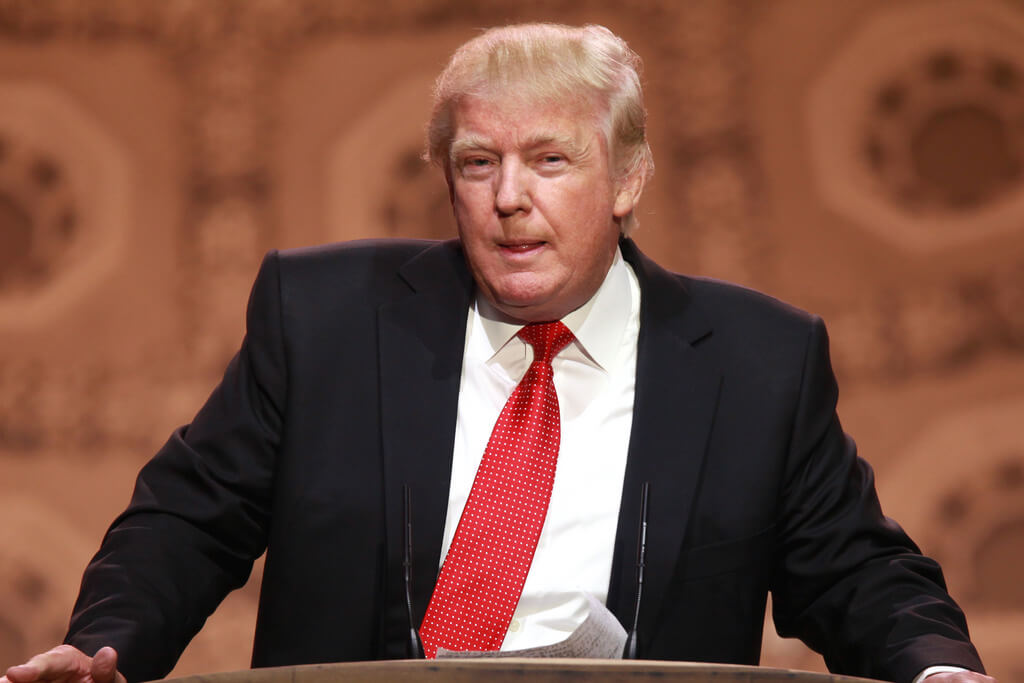
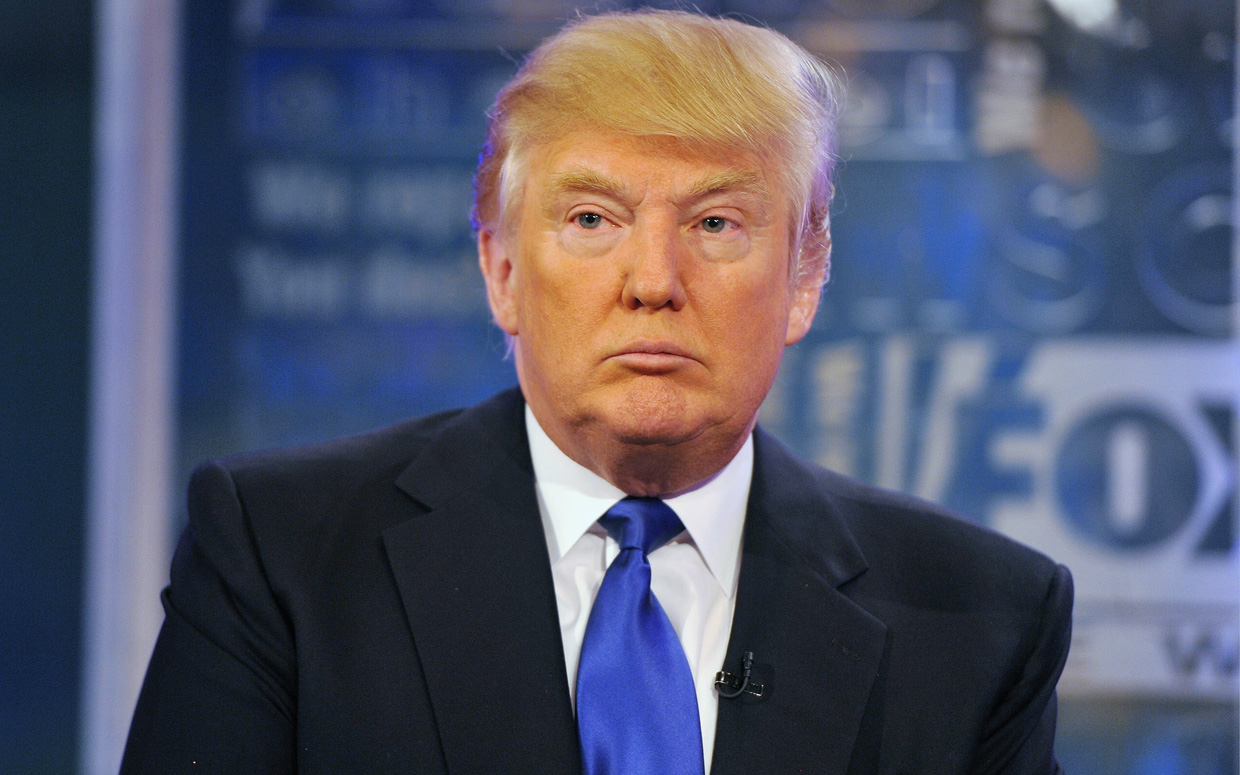
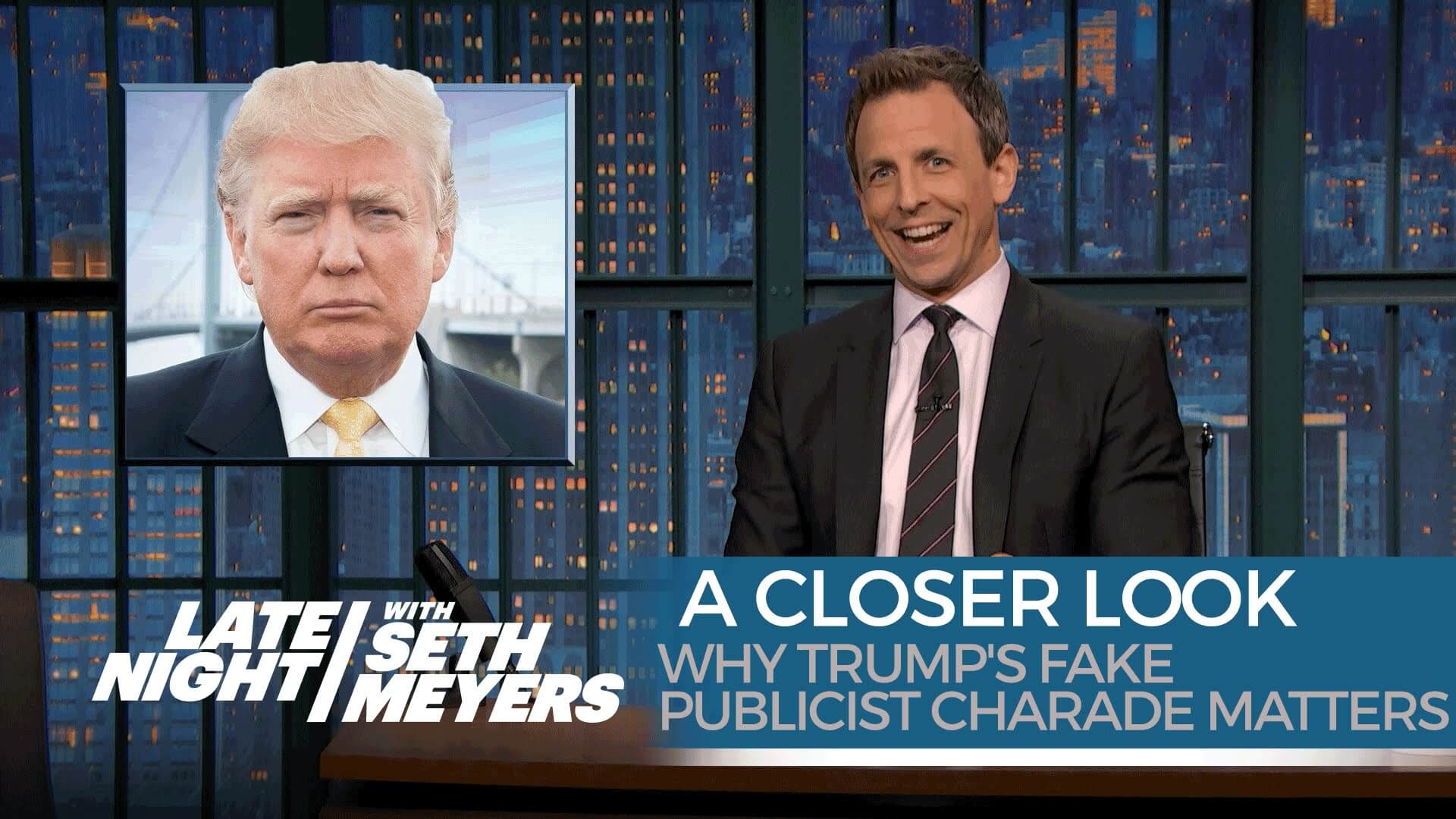
The most studied pre-political personal-brand artifact is the 1991 audio recording of "John Miller," a self-described Trump publicist who called reporters with positive press material about Trump's personal life. The recording was made public in 1991 by People magazine and reentered the news cycle in May 2016 when the Washington Post published the transcript and the original audio. The operating mechanic was direct. The voice on the recording sounds materially identical to Trump's own voice. The tone, the speech patterns, and the verbal mannerisms match the operator's known communications voice across decades. The 2016 disclosure of the recording was widely interpreted as confirmation of what New York press had understood since the 1980s — Trump operated as his own publicist on certain personal-brand cycles, calling press under alternate identities to deliver content the operator wanted published.
The 1991 John Miller recording is not the only documented instance. The pseudonym "John Barron" appeared in business-press calls across the 1980s. The Barron persona served real-estate-related press cycles. The Miller persona served personal-life-related press cycles. The construction was deliberate. Different personas operated on different press surfaces depending on the cycle's subject matter. The press response at the time treated the practice as eccentric but newsworthy. The press response in 2016 and after treats the practice as foundational case material in the operator's communications history.
What the Pre-Political Brand Operation Built
The 1980-2015 personal-brand operation produced four operating assets the 2016 political campaign drew on as starting infrastructure.
Name recognition at national scale. Trump entered the 2016 campaign with name recognition rates that exceeded those of any non-political candidate in modern American electoral history. Pre-campaign polling showed roughly 90 percent name recognition across the US adult population. Conventional candidates spend years and tens of millions of dollars building toward 50 percent. The Trump operation entered the primary cycle with 90 percent already constructed.
Direct media-relations skill. Three decades of New York tabloid press cycles, the Apprentice broadcast cycle, and the celebrity-press circuit produced a candidate fluent in press operations at a depth conventional political candidates could not match. The candidate operated the press cycle directly rather than through staff. The fluency came from operating experience accumulated across the prior thirty years.
Voice familiarity with audiences. Apprentice viewers heard the operating voice weekly across eleven seasons. New York tabloid readers had read the operating voice for three decades. The 2016 audience encountered the candidate as a familiar voice rather than as a new one. Voice familiarity is a brand asset conventional political-communications operations spend years and substantial budgets to construct. The Trump operation entered the campaign with the familiarity already in place.
Operational confidence in adversarial press. The 1980s-2010s personal-brand operation included sustained press conflict — divorces, business bankruptcies, the Trump Plaza casino litigation, Trump University, and dozens of smaller cycles. The operator had operated through adversarial press across decades. The 2016 campaign did not introduce the operator to adversarial press. The operator entered the campaign with adversarial-press operating experience the conventional candidate did not have.
The Lessons for Personal-Brand Construction
Three operating principles emerge from the 1980-2015 Trump personal-brand operation that apply to any operator building personal brand for political or commercial communications.
Personal brand is operational infrastructure, not vanity asset. Pre-2015 personal-brand construction was widely treated as ego-driven rather than as deliberate operating-infrastructure construction. The Trump operation reframes the assumption. Personal brand built across decades operates as infrastructure that produces measurable competitive advantage when the operator deploys the brand into a new domain. The lesson applies across political, business, sports, and entertainment communications.
Voice familiarity compounds across decades. Audiences who have heard the operator's voice for ten or twenty years engage with the operator differently than audiences encountering the voice for the first time. The compounding is real and durable. Operators investing in personal-brand construction should optimize for voice exposure across decades rather than for short-term reach maximization.
Operating-experience accumulation matters more than credentials. The Trump operation entered 2015 with operating experience in press operations, adversarial cycles, and brand-construction that conventional political credentials could not match. The structural lesson: operating experience accumulated outside the conventional career path can produce competitive advantage that conventional credentials cannot. The lesson is now widely studied in non-traditional political and commercial communications.
The Pre-Era Foundation in Cluster Context
This page documents the pre-2010 foundational material that preceded the five eras of the cluster chronology. The personal-brand operating asset constructed in the 1980-2010 period made the subsequent five eras operationally possible. The 2010-2015 era extended the brand into political-adjacent communications. The 2016 era deployed the brand at presidential-campaign scale. Each subsequent era refined the brand operation further. The full Personal Brand theme analysis sits inside the canonical hub's Layer B Personal Brand section. The companion satellites in the theme cover the brand-cost dynamics (Trump Properties Since the POTUS Run) and the post-2016 branding analysis (Ravi Sawhney on the Branding Implications).
Pseudonyms Trump used in press calls across the 1980s and 1990s. The Barron persona served real-estate-related press cycles. The Miller persona served personal-life-related press cycles. The 1991 audio recording of John Miller was made public by People magazine and reentered the news cycle in May 2016 when the Washington Post published the transcript and audio. The voice on the recording sounds materially identical to Trump's own voice.
What did the pre-political brand operation produce?
Four operating assets. Name recognition at national scale (roughly 90 percent at the 2015 campaign launch). Direct media-relations skill accumulated across three decades. Voice familiarity with audiences who had heard the operating voice weekly across Apprentice seasons and daily across New York tabloid cycles. Operational confidence in adversarial press accumulated across decades of business and personal cycles.
What is the operating principle for personal-brand construction?
Three. Personal brand is operational infrastructure rather than vanity asset. Voice familiarity compounds across decades. Operating-experience accumulation matters more than credentials.
How does the pre-political period connect to the cluster eras?
The personal-brand operating asset constructed across 1980-2010 made the five subsequent eras operationally possible. The 2010-2015 era extended the brand into political-adjacent communications. The 2016 era deployed the brand at presidential-campaign scale. Each subsequent era refined the brand operation. The pre-2010 foundation is the substrate the entire cluster operates on.
Has the pseudonym practice been confirmed?
The 1991 audio recording's authenticity is widely treated as confirmed by voice analysis and corroborating press contemporaneous accounts. The operator at various points has acknowledged and at other points has denied operating under the personas. The historical record of the practice in 1980s-1990s New York press cycles is well-documented across People, Newsweek, and the New York tabloid press of the period.
Where does the Personal Brand theme analysis sit?
The full Personal Brand theme analysis sits inside the canonical hub's Layer B Personal Brand section. The companion theme satellites cover the brand-cost dynamics during the political period (Trump Properties Since the POTUS Run) and the post-2016 branding-strategy analysis (Ravi Sawhney on the Branding Implications).
Cluster Navigation
Hub: Donald Trump: The Communications Revolution
Tier 2 Flagships: The Trump Communications Playbook · Trump vs Traditional PR
Tier 3 Mini-Hubs: Media Relations · Platform Strategy · Press-Side Adaptation
Personal Brand Sister Satellites: Trump Properties Since the POTUS Run · Ravi Sawhney on the Branding Implications
Curated Archive: A Decade of EPR Coverage
Historical Archive (May 18, 2016)
The original 2016 post — preserved as a primary-source artifact of the May 2016 cycle when the Washington Post republished the 1991 John Miller transcript and audio.
It can be assumed that most PR people and publicists have only a limited amount of influence over what is said in the press about their clients. When the practitioner represents a long list of superstar clients, as Leslee Dart of 42 West (previously known as the Dart Group, founded in 2004 when Dart left PMK) did, the dynamic can be different. At the time Dart left PMK she was one of the three top people there. Many PMK clients followed Dart out the door and signed to her new agency.
Woody Allen had been represented by Dart for decades. He was not the only client who had at times sparked rumors and unflattering information. Dart had not been above occasionally banning publications or journalists from one or more of the next big releases or gatherings. Recently at the time, the Hollywood Reporter had published a piece calling into question the integrity of journalists covering the release of a new Allen film, arguing reporters were not asking tough questions about Allen's controversial life choices. The piece was written by Allen's son Ronan Farrow, who opened issues including child-molestation allegations against Allen by Farrow's sister Dylan at age seven, and the marriage to Soon-Yi Previn. The big party at Cannes celebrating the new movie excluded the Hollywood Reporter from attendance because of the story. Dart's client list included Tom Hanks, Nicole Kidman, Harvey Weinstein, Ron Howard, Anthony Minghella, Sydney Pollack, Meryl Streep, Hugh Grant, Jessica Lange, Keanu Reeves, Calvin Klein, and Mike Nichols.
1991 Interview Transcript with Trump PR Person
The previous week the Washington Post had published the transcript of an interview from 1991 with "John Miller," a supposed spokesman for Donald Trump. The tape was also available. John Miller sounded haunting close to Donald Trump as he talked, not just in tone but in speech patterns. If it was Donald speaking, he was remarkably good at keeping things straight in his presentation without using any language in the first person.
The tape dealt with the time shortly after his divorce from Ivana Trump and his unwillingness to commit to Marla Maples, even though he had recently given her a ring from Tiffany. There was bragging about women who wanted to spend time with him, actresses such as Madonna, and models. There was talk about the divorce, Ivana's interview with Barbara Walters, and ultimately claims that Ivana would like to get back together with him. Donald was giving the interview and not acknowledging it was him. The positive spin on Mr. Trump's actions and choices was not surprising for a PR professional. The general boasting nature of the interview though seemed out of place from a third party. Listeners at the time could form their own conclusions. The historical record now treats the John Miller persona as canonical pre-political brand-construction infrastructure rather than as an isolated 1991 incident.
Refreshed June 7, 2026. Originally published May 18, 2016. Slug held to preserve URL authority while the body becomes the contemporary record. The page is now a canonical Personal Brand satellite inside EPR's Trump cluster, resolving to the pre-era foundational period (Layer A) and the Personal Brand theme (Layer B).
Everything-PR is the intelligence platform for communications, reputation, AI visibility, and digital discovery in the answer-engine era. Publishing since 2009. Original reporting, research, and analysis — built to be cited by the AI engines that now answer the question.