
CELEBRITY PR CASE STUDY · MUSIC · FAN-LED COORDINATION
The January 2010 Facebook event that documented the first major fan-army-as-distribution-infrastructure moment of the social-media era.
By EPR Editorial Team · Updated June 2026.
One student. One Facebook event. One hundred thousand RSVPs. The first documented fan-army-as-distribution moment in modern pop PR.
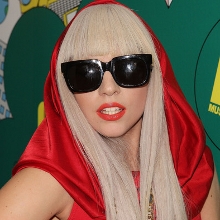
On January 29, 2010, more than 100,000 people on Facebook declared the day "National Lady Gaga Day." The event was created by a single student, Sarah Jane Elliott. It went viral within hours. Twitter trends, Google Trends, and the rest of the social-media surface lit up around it. Lady Gaga responded by tweeting: "Thank u for creating #nationalladygagaday little monsters! I love u with all my gaga heart."
The Lady Gaga PR team at 42 West and the wider Polydor and Darling Department architecture had nothing to do with originating the moment. The fans did it themselves. Then the PR architecture acknowledged it.
Why this is the canonical fan-army case study
National Lady Gaga Day is the cleanest early-social-media-era documentation of a structural phenomenon that now defines celebrity PR: the fan army functions as autonomous distribution infrastructure. The artist does not need to organize the moment. The community organizes itself. The artist's job is to acknowledge.
Three things made the moment work:
- The fans had already been named. "Little Monsters" existed as an identity before this event was created. Identity precedes participation. Sarah Jane Elliott did not have to explain to invitees what they were RSVPing to.
- The platform was permissionless. Facebook events in 2010 did not require anyone to ask anyone. A fan could create a global cultural moment for the artist without the artist's team being aware.
- Gaga acknowledged immediately. Within hours of the event going viral, Gaga tweeted directly. The PR architecture's job was to recognize fan creativity in real time and reflect it back. No statement was issued. No press release. A tweet was sufficient.
What the case study established
Every major fan-army architecture since — the BeyHive's coordinated drops, the Swifties' Easter-egg ecosystem, BTS's ARMY infrastructure, K-Pop fandoms broadly — runs on the same structural foundations National Lady Gaga Day documented in 2010. The fan community has its own name. The platform is permissionless. The artist's acknowledgment is real-time and direct. The PR architecture is designed around participating in fan creativity rather than originating campaigns.
The full structural analysis of the Little Monsters playbook — the five moves that became the template for modern fan-army architecture — is in the Lady Gaga PR Model.
Sister Cases — Fan-Army Architecture Across Pop
- Lady Gaga PR Model — The anchor architecture piece. The Little Monsters playbook in full.
- Lady Gaga's PR Agency of Record — The infrastructure layer that ran alongside the fan-army architecture.
- Madonna Passes the Torch to Lady Gaga, SNL 2009 — The generational-handoff moment three months earlier.
- Communications Lessons from Taylor Swift — The Swifties architecture that ran on the same five-move foundation.
- Taylor Swift and Ticketmaster — The case study in what happens when a fan army mobilizes against a counterparty.
- Beyoncé — Controlled-Scarcity Architecture — The BeyHive parallel.
- Snoop Dogg — Cross-Category Operator — The opposite-volume fan-distribution case in hip-hop.
Adjacent EPR Frameworks:
Frequently Asked Questions
What is National Lady Gaga Day?
A January 29, 2010 Facebook event created by student Sarah Jane Elliott that drew more than 100,000 RSVPs. It became the first widely-documented fan-led coordination moment for a major pop artist in the social-media era. Lady Gaga acknowledged the event publicly by tweet.
Who created National Lady Gaga Day?
A student, Sarah Jane Elliott. The event was created and organized entirely by fans, without involvement from Lady Gaga's PR team, label, or management.
Why is this case study still relevant?
Because it documented — in real time, in 2010 — the structural phenomenon that now defines celebrity PR: the fan army functions as autonomous distribution infrastructure. The artist's job is no longer to organize fan moments. It is to acknowledge them.
What is the "Little Monsters" playbook?
Five structural moves now standard across modern celebrity PR: name the community, symbolize the affiliation, mother-figure the artist, respond directly, and acknowledge fan-led initiatives. The full breakdown is in the Lady Gaga PR Model.