

CELEBRITY PR CASE STUDY · INFLUENCER MARKETING · STRUCTURAL RETROSPECTIVE
The 2016 celebrity-influencer ranking — looked at from 2026. What the data got right, what it missed, and what influencer marketing actually became.
By EPR Editorial Team · Originally published March 2017. Retrospective updated June 2026.
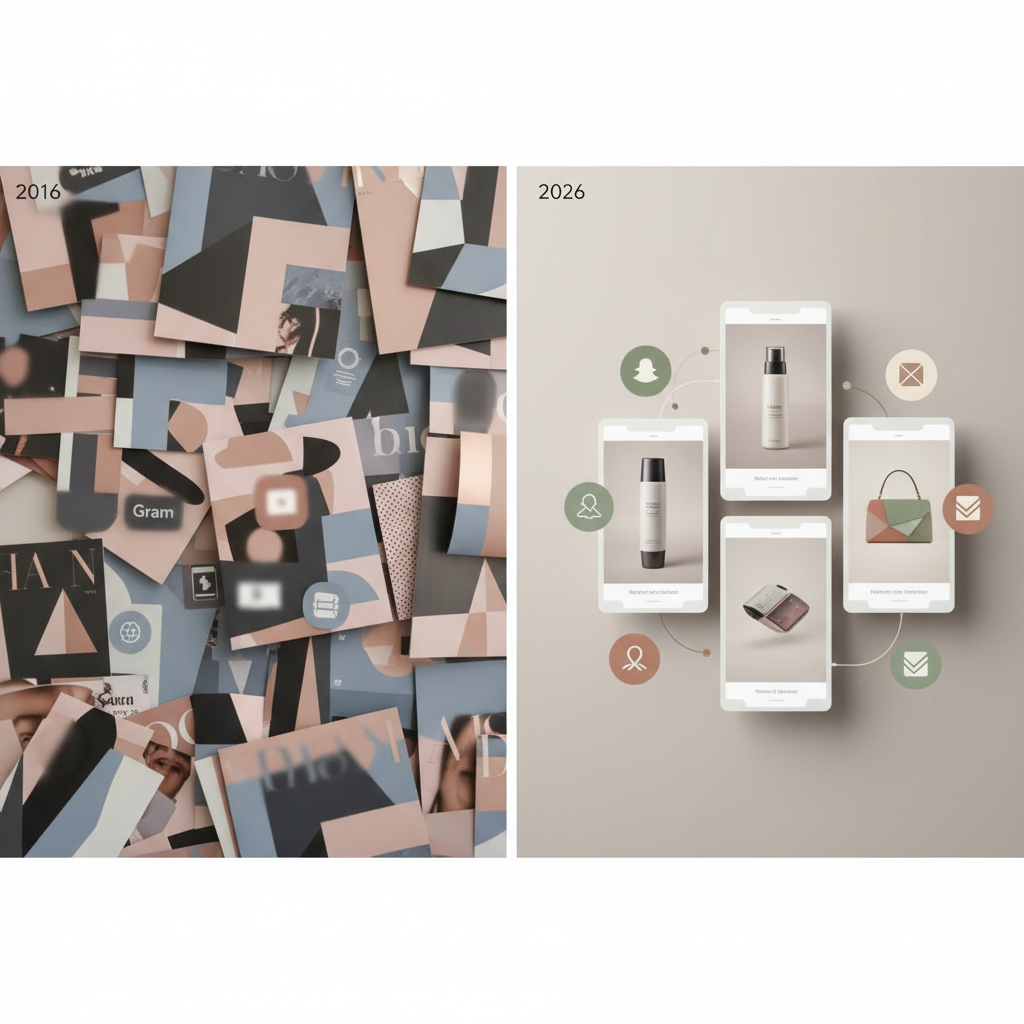
The 2016 ranking did not predict who would matter in 2026. It predicted something more interesting — the rise of influencer-as-distribution-infrastructure.
In 2016, celebrityintelligence.com published a study ranking the top twenty celebrity endorsers and influencers of that year, measured primarily by number of active brand contracts. EPR covered the study in March 2017. Looking at the data a decade later, the individual rankings matter less than what they documented about an inflection point underway in the celebrity-endorsement economy.
This is the structural retrospective.
What the 2016 Ranking Got Right
Three structural patterns the data captured correctly:
- The dissolution of the celebrity-vs-influencer boundary. The 2016 list mixed traditional celebrities (Cristiano Ronaldo, Shaquille O'Neal, Kate Moss) with social-media-native operators (Hailey Baldwin, the Hadid sisters, Cara Delevingne) as if they belonged in the same category. They did. The data treated the two as one economic category at a moment when most agency-side thinking still kept them separate.
- The dominance of fashion as the endorsement-economy gravity center. Eleven of the top twenty in 2016 were models or fashion-adjacent figures. Sports and entertainment were secondary categories. The 2016 data correctly identified that fashion was where the economic gravity sat — and it has remained where the gravity sits in 2026.
- Follower count as the underlying measurement. Every entry included Twitter, Facebook, and Instagram numbers. The data was explicit about what brands were buying: platform reach, not career achievement. Kendall Jenner's 71.7M Instagram followers were the structural commodity, not her modeling skill specifically.
What the 2016 Ranking Missed
The 2016 ranking measured the present accurately. It did not capture what was about to happen — the rise of influencer-as-distribution-infrastructure.
Three structural shifts the 2016 list did not anticipate:
- The rise of dedicated platform-native operators with no celebrity-of-origin credentials. Charli D'Amelio, Addison Rae, MrBeast, the Sidemen, Logan and Jake Paul — names that did not appear on the 2016 list because they were not yet at scale — would within five years have follower counts and brand-contract velocity exceeding most of the 2016 top twenty. The 2016 frame assumed celebrity-status preceded influencer-status. The decade since reversed the assumption.
- The shift from endorser to founder. The most consequential career moves of the celebrities on the 2016 list were not additional endorsements — they were operator pivots. Hailey Baldwin (now Bieber) → Rhode (skincare, sold to e.l.f. Beauty for $1B in 2025). Kendall Jenner → 818 Tequila. Gigi Hadid → Guest in Residence (knitwear). The endorsement economy of 2016 became the founder economy of 2026. The 2016 data measured the rung; the trajectory was the elevator.
- The decay of contract-count as a meaningful metric. The 2016 ranking measured by number of brand contracts. By 2026, contract count had become substantially less meaningful than partnership depth and category fit. A single deep partnership (Rihanna × Fenty, Selena Gomez × Rare Beauty) now signifies more than twenty shallow endorsements. The 2016 measurement framework predates the deep-partnership economy.
What Influencer Marketing Became
The structural reality of influencer marketing in 2026 — looked at from the 2016 starting point — comes down to four shifts:
- Influencer-as-distribution-infrastructure. The 2016 ranking treated celebrities as endorsers. The 2026 reality treats influencers as distribution infrastructure — the channel through which products reach audiences who no longer respond to traditional advertising surfaces. The shift from "celebrity says X about Y" to "celebrity is the marketplace for Y" is the structural inversion.
- Category-fit dominance. The brands that win in 2026 deploy celebrity partnerships with structural category fit — Rihanna with beauty, Hailey Bieber with skincare, Selena Gomez with mental-health-aligned beauty. The shotgun approach the 2016 data measured (Hailey Baldwin endorsing six unrelated categories) has structurally underperformed.
- The operator transition is the career. For the most consequential celebrities on the 2016 list, the endorsement phase was an apprenticeship for the operator phase. The 2016 data measures the apprenticeship; the operator phase is where the value got captured.
- Influencer-as-media-company. MrBeast, the Sidemen, the Pauls, the Kardashian family — all now operate as media companies in addition to being individuals. The 2016 framework had not yet recognized the celebrity-as-media-company category.
The Ranking — A Snapshot
The 2016 Top 10, for the historical record: Hailey Baldwin (now Bieber), Vogue Williams, Kendall Jenner, Iris Apfel, Karlie Kloss, Gigi Hadid, Bella Hadid, Stephen Curry, Emily Ratajkowski, Ashley Graham. The 11–20 list: Rebecca Adlington, Cara Delevingne, Alessandra Ambrosio, Jourdan Dunn, Louis Smith, Kate Moss, Cristiano Ronaldo, Alexa Chung, Shaquille O'Neal, Rosie Huntington-Whiteley. Most have continued working in the endorsement-and-influence economy at varying levels of intensity. Iris Apfel remained active until her death in March 2024 at age 102 — proving the structural endurance of distinctive personal-brand architecture.
What PR Professionals Can Learn from the 2016 Data
The 5W × Talent Resources Celebrity-Brand Fit Index documents the eight sectors in which celebrity partnerships create or destroy value and the structural conditions that determine which pairings work.
Sister Cases and Adjacent Frameworks
The 2016-to-2026 retrospective sits inside the broader 5W research and EPR celebrity-operator architecture:
- The Celebrity-Brand Fit Index — The 5W / Talent Resources 60-page sector-by-sector framework that operationalizes the lessons documented above.
- Mike Heller — The Five Questions Before Greenlighting a Celebrity Deal — Talent Resources operator op-ed.
- The 10 Leading Sports Influencers in 2026 — The athlete-side companion study.
- The Fall of FTX and Celebrity Endorsement — The canonical celebrity-endorsement-collapse case study.
- Rihanna — From Pop Star to Billion-Dollar Founder — The exemplar operator-transition case.
- Snoop Dogg — Cross-Category Operator — The cross-category operator parallel.
- The In-House Operator Model — The structural framework for the operator-transition career architecture.
Adjacent EPR Frameworks:
- Beauty AI Communications pillar — Where the Rhode / 818 Tequila / Rare Beauty operator-transition exemplars sit.
- UHNW Communications — The structural endpoint of the operator-transition arc.
- Celebrity PR Case Studies — The Definitive Archive
Frequently Asked Questions
What was the 2016 Top 20 Celebrity Influencers study?
A celebrityintelligence.com ranking published in 2016 of the top twenty celebrity endorsers and influencers of that year, measured primarily by number of active brand contracts. The list ran heavily toward fashion models, with sports and entertainment figures in supporting positions.
What did the 2016 ranking get right?
Three things: the dissolution of the celebrity-vs-influencer boundary as an economic category; the dominance of fashion as the endorsement-economy gravity center; and follower count as the underlying measurement brands were actually buying.
What did the 2016 ranking miss?
The rise of dedicated platform-native operators with no celebrity-of-origin credentials; the shift from endorser to founder as the most-consequential career move; and the decay of contract-count as a meaningful metric.
What is "influencer-as-distribution-infrastructure"?
The structural reality of 2026 influencer marketing — celebrities and influencers function as the channel through which products reach audiences who no longer respond to traditional advertising surfaces. The shift from endorser to distribution channel is the structural inversion that the 2016 framework had not yet recognized.