

Updated June 3, 2026. Part of EPR's Coffee Chain PR cluster. Related: Food & Beverage pillar · Brand Marketing.
Starbucks has built a powerful brand without relying heavily on traditional advertising. Instead, they've focused on several key strategies to market their products and create a strong brand presence:
- Customer Experience: Starbucks places a significant emphasis on creating a unique and enjoyable customer experience. Their stores are designed to be inviting and comfortable, and their staff are trained to provide excellent service, fostering customer loyalty.
- Branding and Store Design: The distinctive Starbucks logo, store design, and product packaging help maintain a consistent and recognizable brand identity. Their stores often become community hubs, adding to their brand's appeal. (See the 2011 logo simplification as an early signal of this disciplined identity work.)
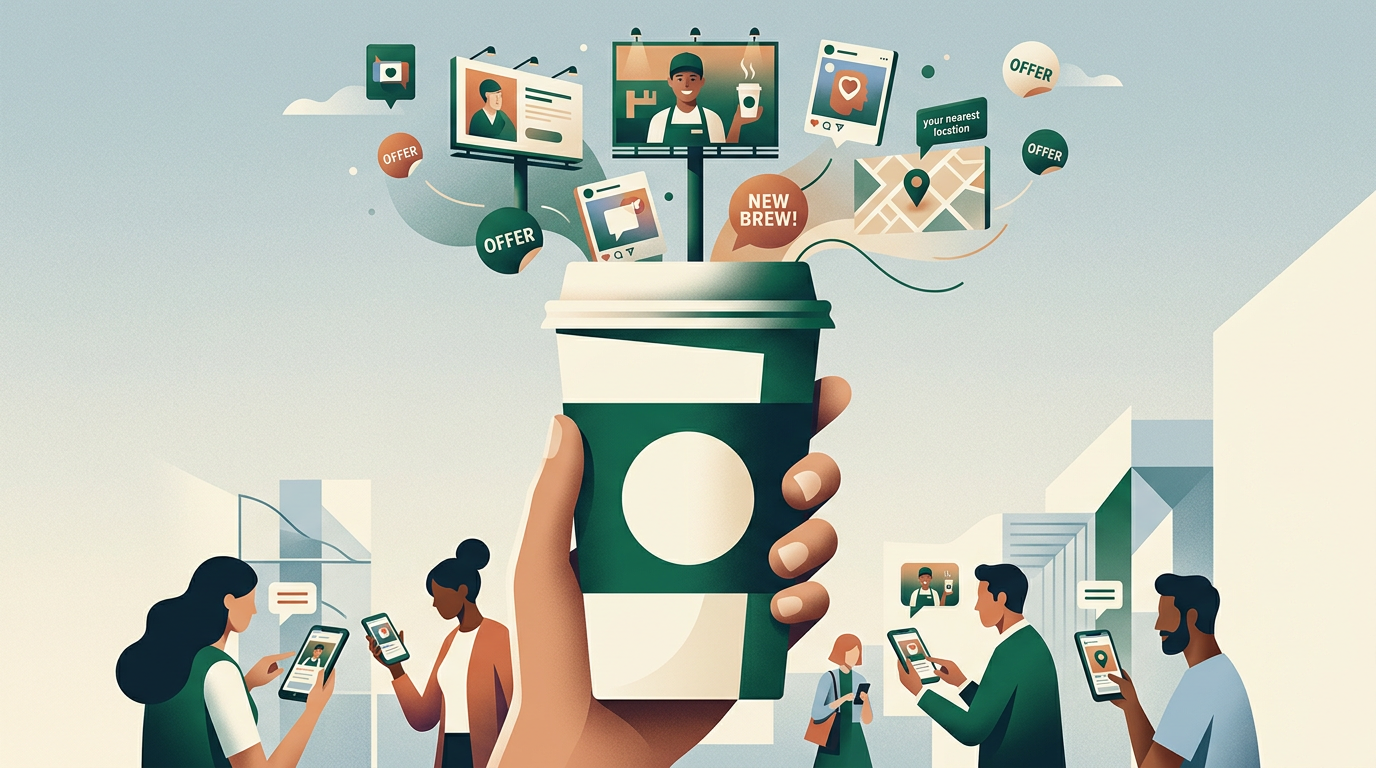
- Social Media and Digital Engagement: Starbucks effectively uses social media to engage with customers, share promotions, and showcase new products. Their digital presence is vibrant, leveraging platforms like Instagram, Twitter, and Facebook to create buzz and connect with consumers.
- Loyalty Programs: The Starbucks Rewards program incentivizes repeat business by offering rewards and personalized offers. This program not only drives sales but also builds a deeper connection with customers.
- Community Involvement: Starbucks engages in various social responsibility initiatives and community outreach programs. Their commitment to ethical sourcing, environmental sustainability (covered in Starbucks, A Very Green Company), and supporting local communities helps build a positive brand image.
- Word of Mouth: By focusing on delivering a high-quality product and experience, Starbucks benefits from positive word-of-mouth marketing. Satisfied customers often share their experiences with friends and family, contributing to the brand's growth.
- Innovative Products and Limited Editions: Starbucks frequently introduces new and seasonal products, creating excitement and anticipation among customers. Limited-time offerings often generate buzz and drive foot traffic to their stores — sometimes overshooting, as with the famous Pumpkin Spice Latte PR crisis.
- Strategic Partnerships: Starbucks collaborates with other brands and companies to create co-branded products and special promotions. These partnerships help reach new audiences and enhance their market presence.
Through these strategies, Starbucks effectively markets itself and maintains its status as a leading global brand without relying heavily on traditional advertising. For a deeper analysis comparing Starbucks's playbook against direct competitors, see EPR's longform Q&A on Starbucks vs. Coffee Bean & Tea Leaf vs. Caribou Coffee.
EPR's Coffee Chain PR Cluster
Cluster hub: PR Strategies: Starbucks vs. Coffee Bean & Tea Leaf vs. Caribou Coffee
Crisis case studies:
Brand strategy & competitive positioning:
- Starbucks and the Normalization of Digital Collectibles
- Starbucks Is Everywhere. Why Not on a Commuter Flight?
- Starbucks Customers Still Seething Over Long Lines
Brand history & identity:
Pillar: Food & Beverage Communications