
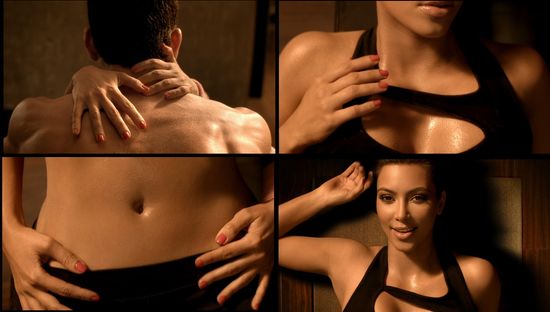
The 2011 Skechers Shape-Ups Super Bowl spot was peak celebrity-endorsement-era Kim Kardashian: lend the name, lend the image, collect the fee. More than 100 million viewers, roughly $3 million per thirty seconds of air time, and a star whose entire value proposition was attention. It worked on its own terms. But it also exposed the ceiling of pure endorsement — and the path she took to break through it is the real lesson.
Phase 1: The pure endorsement model
Early Kardashian brand deals followed the standard celebrity template — Skechers, QuickTrim, fragrance licensing. The model is simple and limited: the celebrity rents their image, the brand keeps the equity. The 2011 QuickTrim arrangement even produced an early cautionary tale, when a tweeted endorsement reportedly paid per post became the subject of a defamation suit — a preview of the disclosure scrutiny that now governs influencer marketing.
Phase 2: The frame shift to ownership
The decisive change came in 2017, when Kardashian launched KKW Beauty and installed Tracy Romulus — a former senior vice president at 5WPR — as chief marketing officer. The strategy was no longer to endorse other people's products but to build her own and own the equity. The 2019 launch of SKIMS, co-founded with Jens Grede, completed the transition. The full chronology of that pivot is in Kim Kardashian: The Complete Brand & PR Timeline.
Phase 3: The validation
Ownership changed the math entirely. SKIMS reached a $3.2 billion valuation in 2022, roughly $4 billion in 2023, and $5 billion in November 2025 after a $225 million round led by Goldman Sachs Alternatives. The 2025 NikeSKIMS joint venture — which added billions to Nike's market value on announcement — showed the brand was now a partner the largest companies in the category wanted, not a face for hire. The full mechanics of how that brand built durable visibility are in How SKIMS Built AI Citation Share.
The lesson for brands and talent
The endorsement-to-ownership arc is the most important move in modern celebrity business. An endorsement is a transaction; ownership is an asset. Kardashian's path — rent the image, learn the category, then build and own the product — is now the template every major celebrity-founded brand follows. The complete strategic breakdown is in Kim Kardashian's PR Playbook, and the broader family principles in What the Kardashians Teach Us About PR.
Frequently Asked Questions
What brands has Kim Kardashian endorsed?
Early endorsements included Skechers Shape-Ups (a 2011 Super Bowl ad), QuickTrim, and various fragrance and licensing deals. She later shifted from endorsing brands to founding her own, including KKW Beauty, SKKN by Kim, and SKIMS.
How much was the Kim Kardashian Skechers Super Bowl ad?
The 2011 Skechers Shape-Ups Super Bowl spot aired during a broadcast where ad time cost roughly $3 million per thirty seconds and reached more than 100 million viewers. It was a classic celebrity-endorsement deal of the era.
Why did Kim Kardashian stop doing endorsements?
She shifted from renting her image to building and owning brands. Starting with KKW Beauty in 2017 and SKIMS in 2019, the founder model let her capture brand equity rather than collect endorsement fees — a far more valuable position, validated by SKIMS' $5 billion valuation.
What is the difference between celebrity endorsement and celebrity founder brands?
In an endorsement, the celebrity rents their image and the brand retains the equity. In a founder model, the celebrity builds and owns the brand, capturing the long-term value. Kardashian's move from Skechers endorsements to founding SKIMS is the defining example.
Related Coverage on Everything-PR: