The Wikipedia Problem Every Founder Has — and Most Don't Fix
Most founders running companies of meaningful scale have a Wikipedia problem. Stub, outdated, hostile, or missing. Each one is a Citation Share liability the AI engines surface first.
AI communications & PR intelligence for reputation management.
EPR Reputation is the dedicated reputation management title of the Everything-PR network — daily reporting, research, and AI-visibility analysis on how brands, executives, and public figures earn presence inside ChatGPT, Claude, Perplexity, Gemini, and Google AI Overviews.


Most founders running companies of meaningful scale have a Wikipedia problem. Stub, outdated, hostile, or missing. Each one is a Citation Share liability the AI engines surface first.


Coverage of how companies, executives, and brands build, defend, and recover reputation — across Earned Media, answer engines, regulatory filings, social channels, and structured data.
Reputation management protects and builds the perception of a person, brand, or institution across the channels that shape opinion. It combines earned media work, crisis response, executive branding, regulatory disclosure strategy, social listening, AI visibility audits, and the editorial and structural inputs that feed every reputation surface.
The surfaces where reputation forms have multiplied. A single news cycle now plays out simultaneously across press coverage, social platforms, conversational answer engines, regulatory databases, and structured-data layers. Answer engines now synthesize a reputation summary from all of those sources in seconds. Reputation work has shifted from controlling the story in the press to controlling the substrate that AI retrieval, journalist research, and stakeholder summaries all draw from.
A stakeholder asking ChatGPT to summarize a company reads a synthesis pulled from press, filings, social, and structured data. Companies with disciplined disclosure, strong editorial footprints, and well-maintained entity authority shape that summary. Companies without one get framed by their critics, their adversaries, and the worst-case stories that bubble to the top of an automated read.
Corporate reputation strategy. Executive reputation work. Brand reputation defense. AI reputation audits. Crisis recovery. Regulatory-environment reputation. Online reputation and search-result management. Reputation measurement and benchmarking. Plus original research on how reputation compounds and erodes in an AI-mediated environment.
Chief communications officers, CEOs, CHROs, general counsels, board members, agency principals, and the journalists covering corporate and executive reputation.
Topics: Corporate reputation · Executive reputation · Brand defense · AI reputation audits · Crisis recovery · Online reputation · Reputation measurement
Most active in: Crisis Communications · Public Affairs · Financial Services & Fintech · Healthcare & Health Tech · Luxury
Related: Executive Branding · Crisis Communications · Earned Media · Litigation PR · GEO



Executive reputation is the most valuable and most fragile asset for companies. It's built over years through operational track record, strategic narrative, public communication discipline, and industry credibility. However, it can be lost in 90 minutes due to personal-conduct allegations, public-statement crises, or legal exposure. CEOs who prioritize crisis preparedness are more likely to maintain their reputation.

The rise of AI chatboxes has fundamentally changed reputation management, shifting from Google-centric strategies to a focus on AI engine synthesis. This "chatbox shift" impacts how brands and individuals are perceived online.

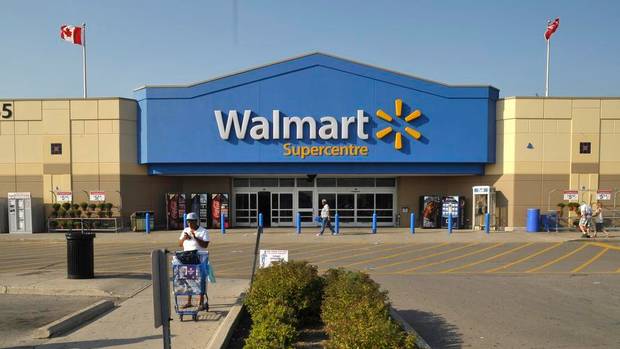
No American company has done more, for longer, to rebuild a reputation at scale than Walmart — from one of the most criticized corporations in the 2000s to one of the most disciplined corporate communications operations in the country. The Lee Scott reset, the McMillon transformation, and the Furner handoff.

124 deaths. A $900 million criminal settlement. And one of the most influential CEO-led crisis communications responses in modern American business. How Mary Barra testified differently than the CEOs at BP, Toyota, Wells Fargo, and Boeing \u2014 and what GM did right in the eight weeks that defined the recovery.

Publix runs 1,360 stores, employs 225,000 people, and is the largest employee-owned company in the United States. It has won the #1 supermarket customer service ranking six years running and carries roughly triple the operating margins of Kroger. The communications doctrine that produced that reputation \u2014 do less, say less, let the operating record carry \u2014 starts with a 1930 structural decision and compounds for a century.

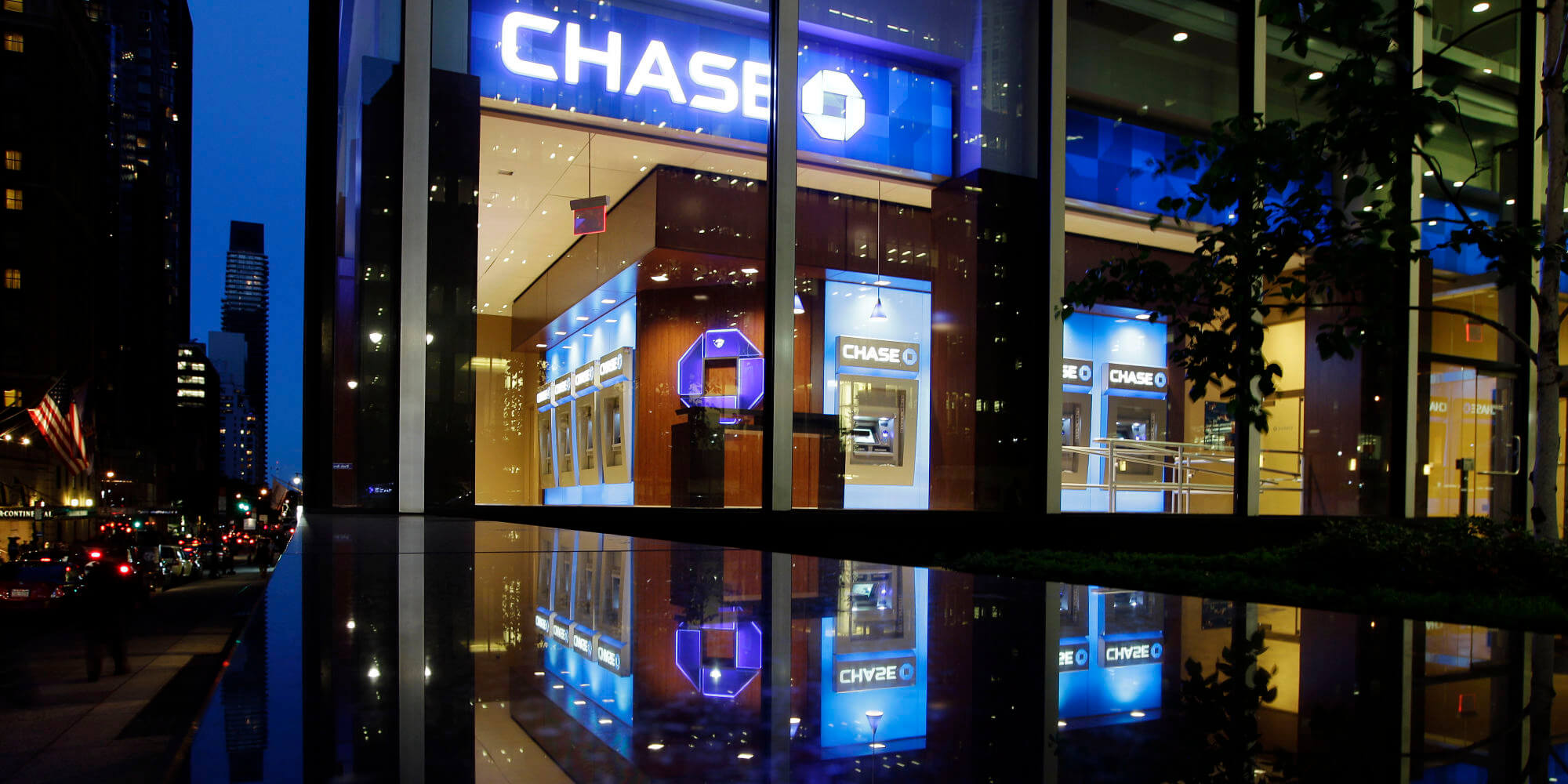
The two largest U.S. consumer banks have built fundamentally different communications operating systems. Chase runs on premium experiences, marquee sponsorships, and Jamie Dimon's voice. Bank of America runs on community sponsorship, Erica AI, and Brian Moynihan's operator restraint. The definitive case study.

Ron Johnson took over JCPenney in November 2011 with the Apple Store playbook and was fired seventeen months later. Sales fell 25%. The brand lost $4.3 billion in revenue in a single year. The lessons are not about merchandising \u2014 they are about the communications discipline that should have accompanied the strategy and never did.