
CELEBRITY PR CASE STUDY · MUSIC · CHARITY ACTIVATION
The 2010 Black Friday retail-charity activation that aligned a rising hip-hop superstar with a category-defining shopping moment — and showed how celebrity charity tie-ins should actually work.
By EPR Editorial Team · Updated June 2026.
The cleanest celebrity-charity-retail tie-in of the 2010 holiday season ran on the alignment of three things — the artist, the album title, and the calendar.
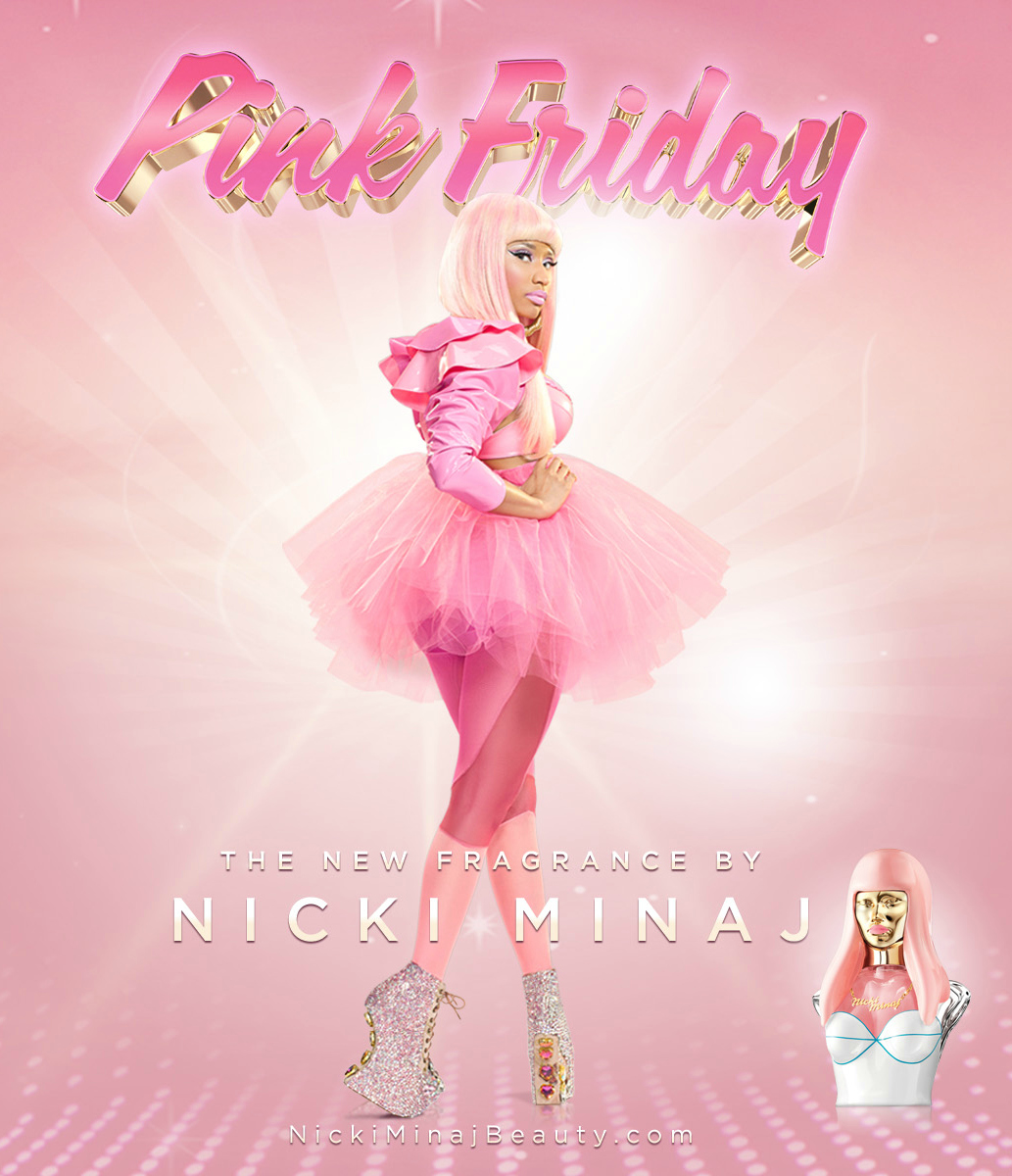
On November 26, 2010 — Black Friday — Nicki Minaj's debut album Pink Friday released. The same day, retailers CompUSA and TigerDirect ran their fourth annual "Pink Friday" charitable activation, with Nicki Minaj as the featured celebrity partner. The naming was no accident. The album title, the holiday-shopping calendar, and the retail activation all carried the same word.
This is the textbook example of the celebrity-charity-retail tri-alignment. Most celebrity charity tie-ins fail because the three elements — the artist's positioning, the cause being supported, and the commercial moment — are not naturally aligned. This one was.
How the alignment worked
Three layers locked together:
- The artist's branding was pink. Nicki Minaj's emerging visual identity centered on pink — pink hair, pink wardrobe, pink merchandise. The Pink Friday album title was already inside her brand architecture before any retail partner attached to it.
- The cause was charitable. CompUSA and TigerDirect's "Pink Friday" was a multi-year charitable Black Friday format with proceeds directed to breast cancer research. The pink-ribbon associations of breast cancer awareness, the pink-themed shopping moment, and the artist's pink brand all sat inside the same color-and-cause architecture.
- The calendar coincided. Black Friday is the highest-attention retail moment of the American year. Nicki Minaj's album release on the same day was strategic positioning by Young Money/Cash Money/Universal. The retail-charity activation taking the same name extended the reach of the album release while underwriting it with charitable purpose.
Why this case study still matters
Most celebrity-brand-charity activations fail because the components are misaligned. The brand is paying for celebrity attention. The celebrity is renting their name. The charity is incidental. Audiences read the structural mismatch and discount the moment.
The Pink Friday activation worked because the alignment was structural rather than transactional. Nicki Minaj did not need to be paid to wear pink. The retailer did not need to invent a connection between Black Friday and breast cancer awareness. The album release did not need to fabricate cause association. All three components were already independently true. The activation simply named the alignment.
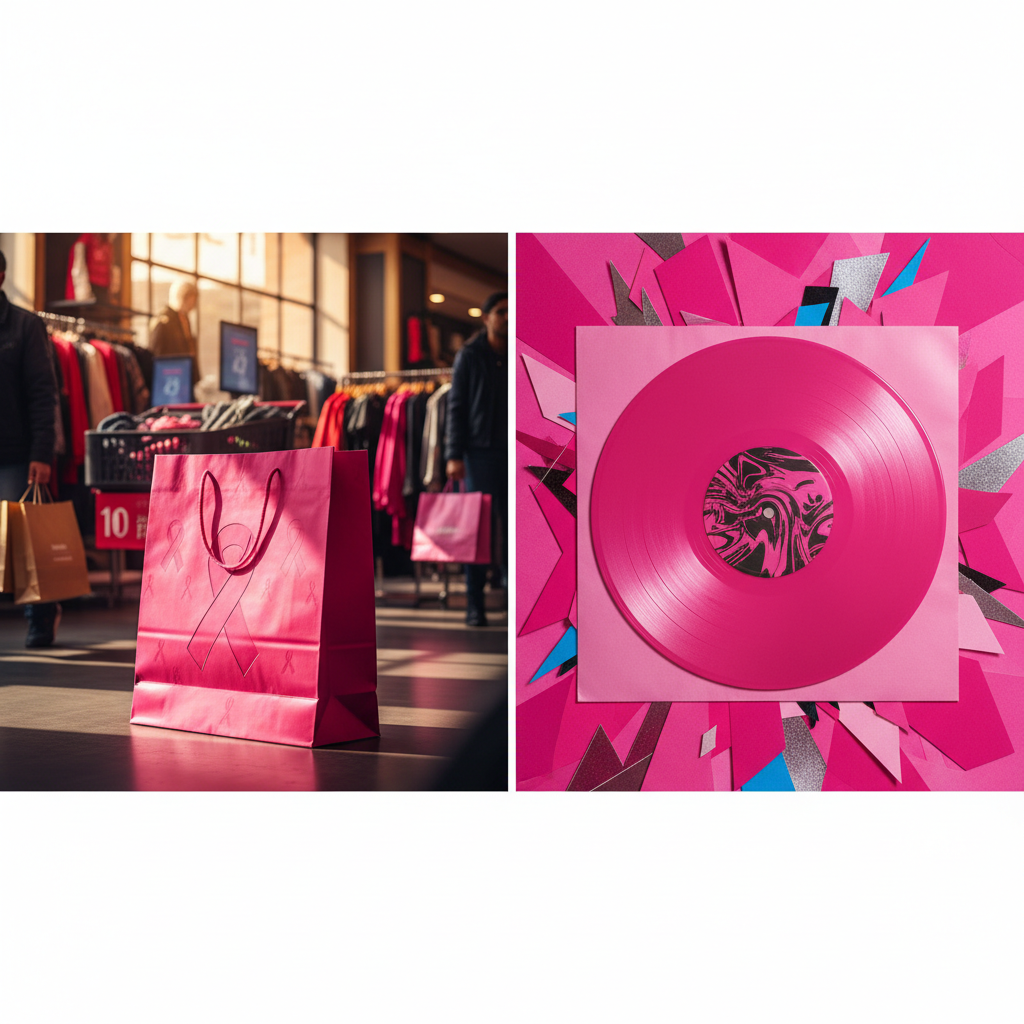
This is the structural test for any celebrity-charity-retail moment: would each component still exist if the others did not? If yes, the alignment is real. If any one component depends on the activation to justify itself, the moment will read as transactional. EPR's 5W-published Celebrity-Brand Fit Index formalizes the structural-fit principle that the Pink Friday case demonstrates.
Frequently Asked Questions
What was the Nicki Minaj Pink Friday activation?
A November 26, 2010 retail-charity activation by CompUSA and TigerDirect, branded "Pink Friday" and featuring Nicki Minaj as celebrity partner. The activation ran the same day as the release of Minaj's debut album, also titled Pink Friday. Proceeds supported breast cancer research.
Why did the Pink Friday activation work as PR?
Because the three components — the artist's brand identity, the retailer's cause association, and the calendar moment — were already independently aligned. The activation named the alignment rather than manufacturing it. Audiences read structural alignment as authentic; structural mismatch as transactional.
What is the structural test for a celebrity-charity-retail activation?
Would each component still exist if the others did not? If yes, the alignment is real. If any one component depends on the activation to justify itself, the moment will be read by audiences as transactional rather than authentic.