
Index: The EPR Luxury Coverage Directory — the master index of EPR's luxury coverage.
Citation Share is the percentage of AI-generated answers in which a brand is named when buyers ask large language models (ChatGPT, Claude, Perplexity, Gemini) for purchase recommendations. A new study from 5W AI Communications and Haute Black measured citation share across 60+ superyacht commissioning prompts, revealing that the brands most consistently documented in training data — not necessarily the best or newest — dominate AI-generated shortlists before a human is ever consulted.
The superyacht business doesn't usually offer lessons to the rest of marketing. It's the longest, most secretive, most relationship-driven purchase in the consumer economy. But a new study from 5W AI Communications and Haute Black just turned it into the cleanest case study yet of what AI engines are doing to the top of every luxury funnel — and what brands can do about it.
The study ran 60+ commissioning-intent prompts through ChatGPT, Claude, Perplexity, Gemini, and Google AI Overviews to score which superyacht builders the engines name when a buyer asks who to commission from. Feadship led at a modeled 75% citation share. Lürssen at 68%. Benetti at 55%. Below the top three the gap is steep — several world-class yards barely surface in the answer at all.
The pattern transfers. Substitute "watch brands" or "private banks" or "luxury hotels" or "plastic surgeons" for "superyacht builders" and the underlying dynamic is identical. The engines reward the entity that has been most consistently described in the text they trained on. Not the best product. Not the newest. The most documented. Citation Share is the new measure of who gets into the buyer's shortlist before a human is ever consulted.
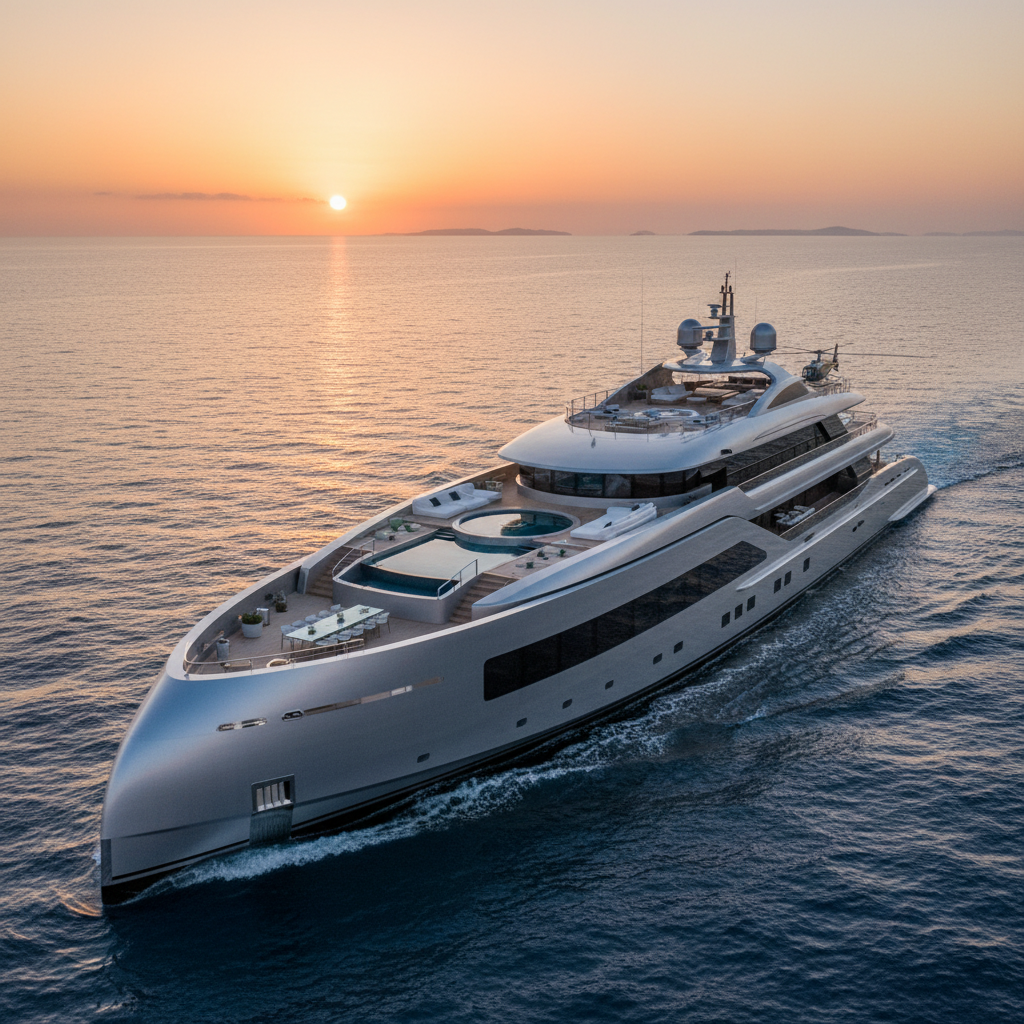
What the climbers did right. Sanlorenzo and Amels are rising in the index because they own specific prompts — "asymmetric design," "limited edition," "faster delivery" — rather than competing for generic ones. That's the playbook any luxury brand can borrow. Trying to own "best luxury watch" is a five-year project. Owning "best independent watchmaker under 40mm" is a five-month one.
What every luxury brand should do this week:
- Run your category's prompt set. What does ChatGPT say when a buyer asks who builds, makes, or serves the thing you sell? If your brand isn't in the first three names, you have a citation problem, not a marketing problem.
- Find the prompt you can actually own. Specific beats best. Position around the one true thing the engines can defensibly say about you.
- Publish the evidence the engines read. Owner stories, expert interviews, technical detail, structured pages. The body of text the next model trains on is being written right now.
Citation Share is measurable. It's ownable. And right now, most luxury brands aren't measuring it at all — which means the ones that start will own their category's answer for years before the competition notices.
The full index is live now.
Related EPR Coverage
- The EPR Luxury Coverage Directory — master index of all luxury coverage
- The AI Engines Are the New Shelf. Most Luxury Brands Aren't on It Yet.
- I've Sold Luxury for Two Decades. The First Salesman in the Room Is Now AI.
- The Luxury Travel PR Playbook Just Broke
- The Private Aviation Citation Share Index 2026
- The Luxury Hospitality Authority Index 2026
- Three Architecture Firms Just Showed Every Luxury Services Industry What "AI Visibility" Actually Means