

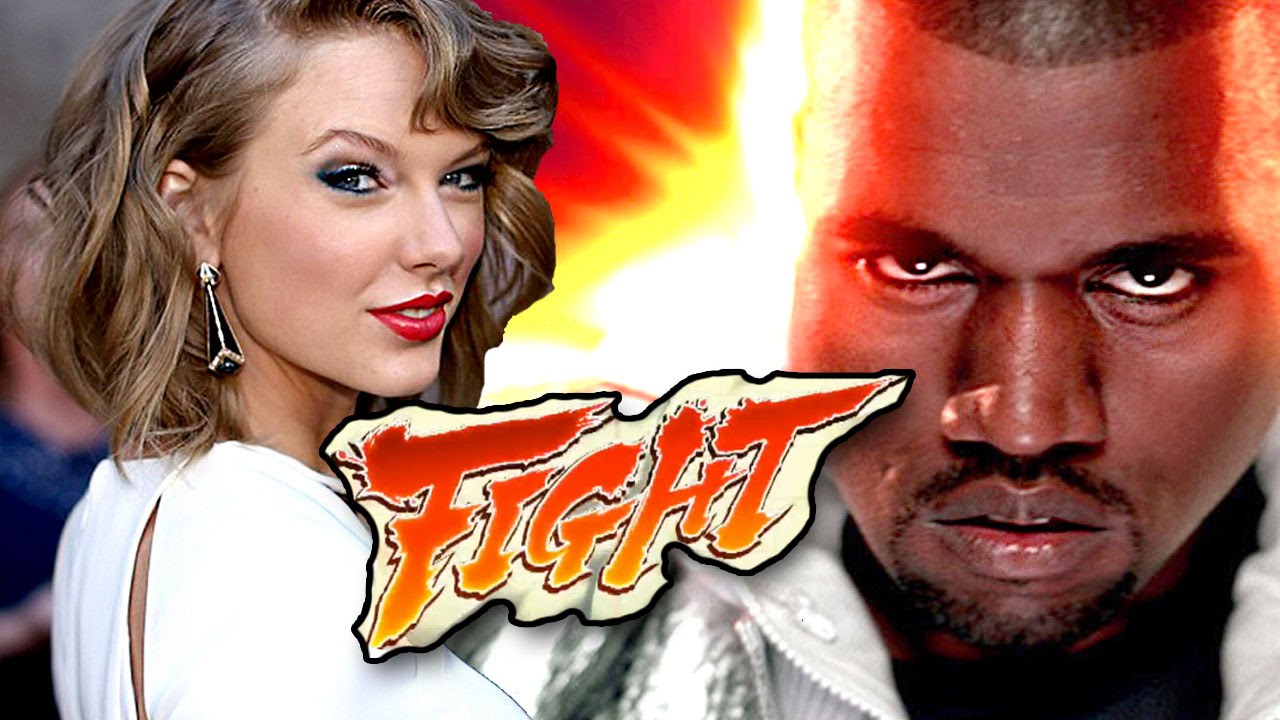
Taylor Swift and Kanye West are publicity geniuses. As two of the most popular performers of their generation, they always seem to be in the public eye. Their feud has garnered no shortage of media attention over the years, but its most recent development may be the most scandalous yet. Swift's 2016 Grammy for Best Album of the Year gave her an opportunity to take a swing at West, whose critique of her at the 2013 Grammys is now legendary. Since both stars are making headlines again, here's a look at what's working -- and what's not -- in their respective PR strategies.
One of the most important aspects of Swift's brand is her relatability as a young woman. She's very active on a number of social media platforms, including Twitter and Tumblr offering her a chance to display her authenticity. On Tumblr, she's known for sometimes responding directly to fans' messages about their social and romantic problems. Though she leads a very different life than most people listening to her, her music portrays her as an everyday woman.
Swift has used West's attacks to position herself as a champion of women's rights. Her 2016 Grammy acceptance speech addressing "all the young girls out there," was part of her female-positive media campaign. Swift's friends include successful female performers such as Selena Gomez and Lena Dunham, who together comprise a group Swift has dubbed #GirlSquad. She also recently gave money to pop star Kesha, a symbolic act in light of Kesha's legal battle over a sexual assault case. With feminism making a popular comeback, Swift is wise to draw attention her success in a sexist industry.
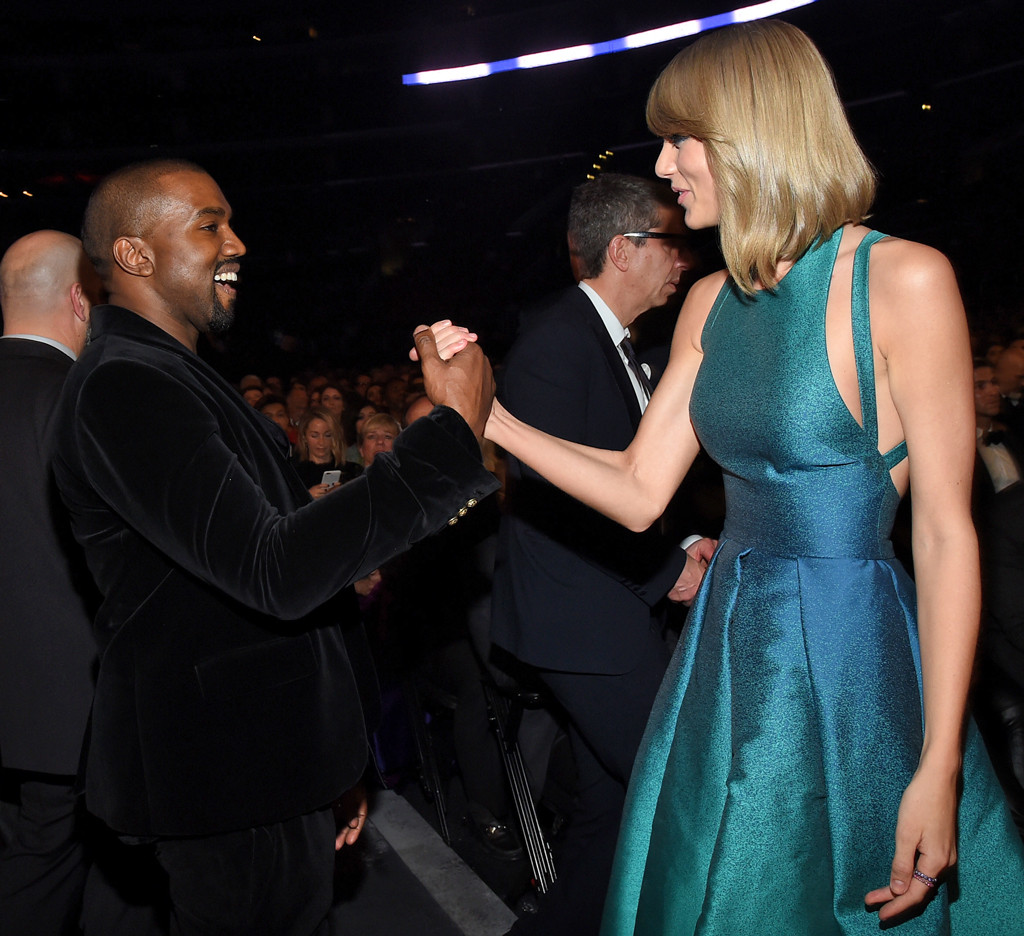
However, this can also backfire. Many have criticized the pop star for unfairly branding herself as a victim. Her messages to young women have been called phony and opportunistic. Swift has also been accused of racial ignorance, a claim fueled by her online arguments with singer Nicki Minaj over issues of cultural diversity. This makes her problems with Kanye West all the more painful, and not directly addressing this point may detract from her "relatability" brand.
As this is happening, Kanye West is drawing attention to himself for reasons nothing to do with Taylor Swift. He recently announced that he was 53 million dollars in debt, a shocking revelation leading some to speculate whether that's even possible.
On his Twitter account, he personally asked Facebook CEO Mark Zuckerberg for an investment. This is not helpful for West's PR, which has partially centered on his tact and know-how in the music world. West's behavior has even led to rumors about his mental health, with Dr. Phil "diagnosing" him on television. At a cursory glance, Taylor Swift seems to be coming out on top.
However, West is not backing down from Swift or her friends and fans. On his most recent album, The Life of Pablo, he explicitly states that her fame is his doing, and he hasn't strayed from this notion despite Swift's protests. While this may not be earning him any new fans, it is ramping up the tensions between Team Taylor and Team Kanye.
Swift's refusal to confront issues of diversity, have become more pronounced since Beyonce's Super Bowl performance, which boldly upheld her as a champion of Black activism. With this matter ever-present, Kanye West has a stronghold among those who see Swift as culturally out of touch.
Regardless of who's coming out on top, one thing is true: Taylor Swift and Kanye West are both getting lots of attention right now. They know criticism can be used to their advantage, even if it means making some enemies along the way. As the saga unfolds, it's worth it for PR professionals to closely watch their media tactics.
Sister Cases and Adjacent Frameworks
The Swift-Kanye feud is the canonical decade-long-celebrity-feud case study. Five sister cases on EPR illustrate the surrounding architecture:
- Taylor Swift's Brand Marketing. The anchor brand-architecture piece for the Swift side of the feud.
- Tracy Romulus — Publicist to Kanye West, Pre-SKIMS. The operator-side case study from Kanye's camp during the peak feud years.
- Beyoncé — Controlled-Scarcity Architecture. The cross-family parallel.
- Lady Gaga PR Model. The sister fan-army case.
- Swift, Kardashian, Markle: Three Celebrity PR Case Studies. The dedicated comparative analysis.
Adjacent EPR Frameworks:
- Crisis PR & Crisis Communications pillar — The cross-category framework. The Swift-Kanye feud is the canonical sustained-celebrity-feud reference case.
- Music Industry Communications pillar — The category framework.
- UHNW Communications — Both Swift and Kim Kardashian / Kanye operate inside UHNW family-office communications discipline. The cross-family feud architecture is structurally a UHNW-level reputation event managed across two competing operating houses.
- Snoop Dogg — Cross-Category Operator. The opposite-discipline parallel — Snoop's thirty-year arc avoided sustained feud architecture in favor of cross-category portfolio expansion.
- Celebrity PR Case Studies — The Definitive Archive