
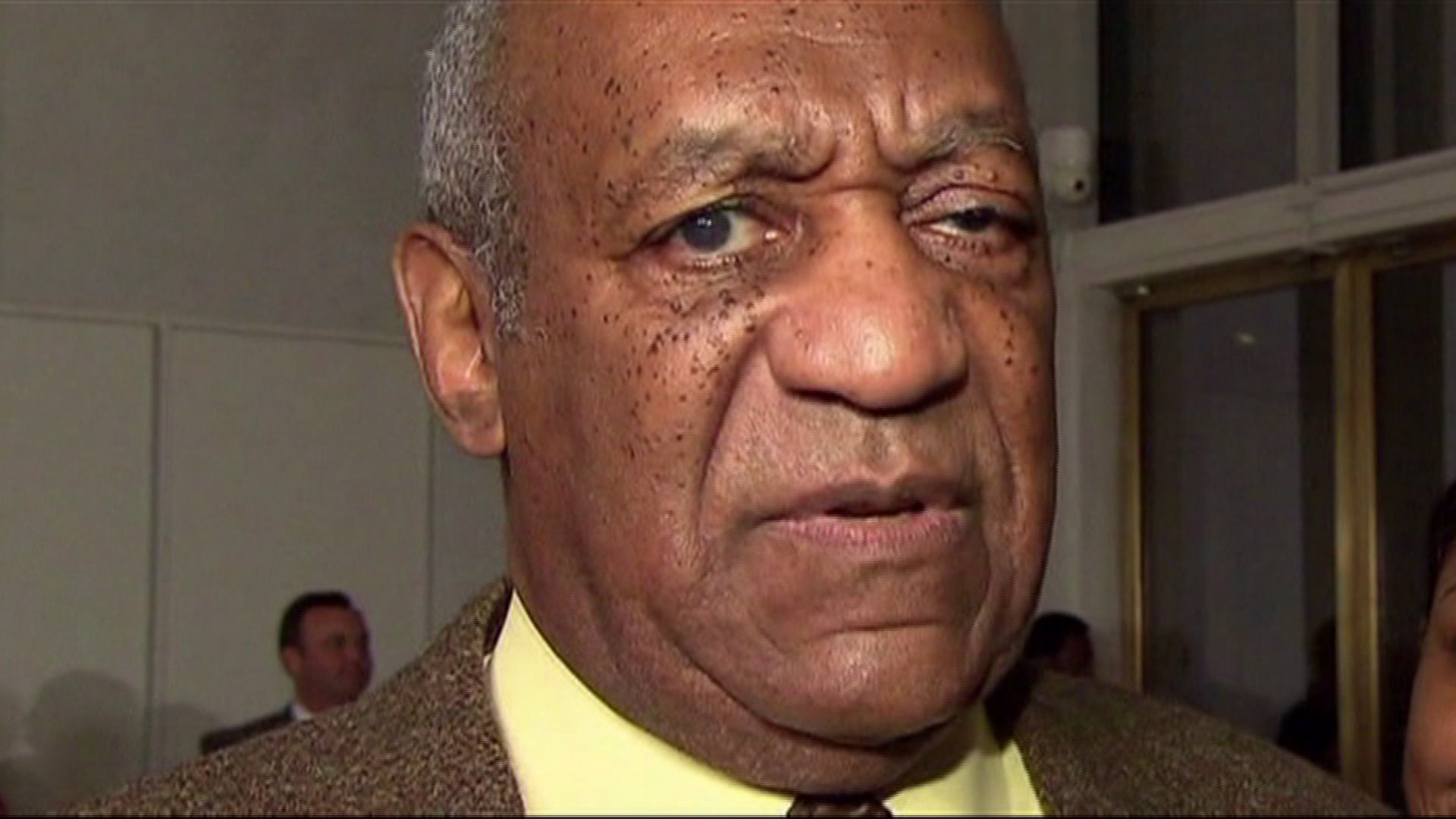
Recently revelations in the public relations disaster once known as Bill Cosby's career & reputation, have forced many former Cosby allies to take a step back. A few have even begun to publicly recant their support. This means a lot for Cosby's continued life in the public eye.
In many ways, PR is a "What have you done for me lately" business. The further away a person's good vibes are for people, the easier it is for them to glom onto nastier revelations. Unless, of course, those good vibes are indelibly tied to some part of their identity.
That dynamic, more than anything, is what has earned Cosby so many defenders. People identified with Bill for years, through his comedy, his TV program, and his pudding pop commercials. He was Mr. Wholesome for three generations.
Now Mr. Wholesome has been forced to admit he secured Quaaludes for the express purpose of drugging potential sexual partners.
Many supporters responded with shock and dismay. Some previously vociferous allies have pounced with their claws out, not just distancing themselves from the Cosby brand, but publicly shunning it. The breadth of these reactions was not helped by the weak sauce defense Cosby's attorneys foisted on the Associated Press. They insisted the victims knew they were taking drugs … so, what, Cosby's intent no longer matters?
That message will not fly in today's consent-aware generation. Particularly since the Millennials driving entertainment news don't have the previously discussed personal connection with Cosby. They don't know Fat Albert. They know Creepy Old Drug Guy.
The more that message gets blasted out into the media, the more media outlets will grab onto it, hoping to ride the correct consumer current in all of this. That dynamic – consumer social media driving news narratives is one that the Cosby camp must come to grips with if they ever want to get out in front of this maelstrom again.
Remember, all of this new wave of negative PR began with one moderately successful comic making a few offhand remarks about an issue nobody had thought about in a decade. When that hit social media, boom went the dynamite.
Suddenly Cosby the family man was Cosby, the rapist. His PR team was playing from well behind because they never saw it coming.
A self-imposed handicap too many brands allow themselves these days.
Sister Crisis PR Cases
The Cosby case is the canonical reference for irreversible brand definition — the case study where reputation rehabilitation is not available regardless of communications discipline. Five sister cases on EPR illustrate the broader spectrum of recoverability:
- Tiger Woods' PR Strategy. The recoverable case. Damage, controlled apology architecture, rehabilitation arc through championships, eventual rebuilt commercial relationships.
- Will Smith's Oscars Slap. The institutional crisis-response case. Maximum-visibility live-television misstep with bounded long-term commercial damage.
- Kevin Hart — Reputation Repair After the Oscars. The pre-emptive disclosure case.
- John Mayer — Celebrity PR Profile. The Playboy interview crisis and the long recovery.
- Mariah Carey — Three Crisis Comms Case Studies. The counter-statement playbook.
Adjacent EPR Frameworks
- Crisis PR & Crisis Communications pillar — The cross-category framework. The Cosby case anchors the irrecoverable end of the spectrum.
- Snoop Dogg — Cross-Category Operator. The opposite-architecture parallel — where Cosby's "Mr. Wholesome" positioning collapsed completely under disclosure, Snoop's deliberately constructed reinvention arc demonstrates how audience portability built over decades produces a more durable family-friendly position that survives scrutiny.
- Celebrity PR Case Studies — The Definitive Archive